

Rucking is walking with a weighted backpack. The added load makes your muscles and cardiovascular system work harder than they would on an unloaded walk, and your core stabilizes the pack with each stride. You’ll burn more energy, though it depends on load, pace, and fitness. You need a sturdy two-strap pack, supportive shoes, and 5, 10 pounds. Start with flat sessions, and build duration before weight to protect your joints. Below, you’ll find safe progression steps.
Key Takeaways
- Rucking is walking with a weighted backpack, increasing muscular work and cardiovascular demand compared with unloaded walking.
- Rucking builds endurance, strength, and core stability while burning more energy than regular walking, depending on load, pace, and individual factors.
- Essential gear includes a sturdy two-strap backpack, supportive footwear, and a starting weight of 5, 10 pounds, with less for newcomers.
- Pack weight should sit high, centered, and close to your back, with a neutral spine and engaged core.
- Beginners should start with one or two 15, 20-minute weekly sessions on flat ground, increasing duration before adding weight.
What is rucking
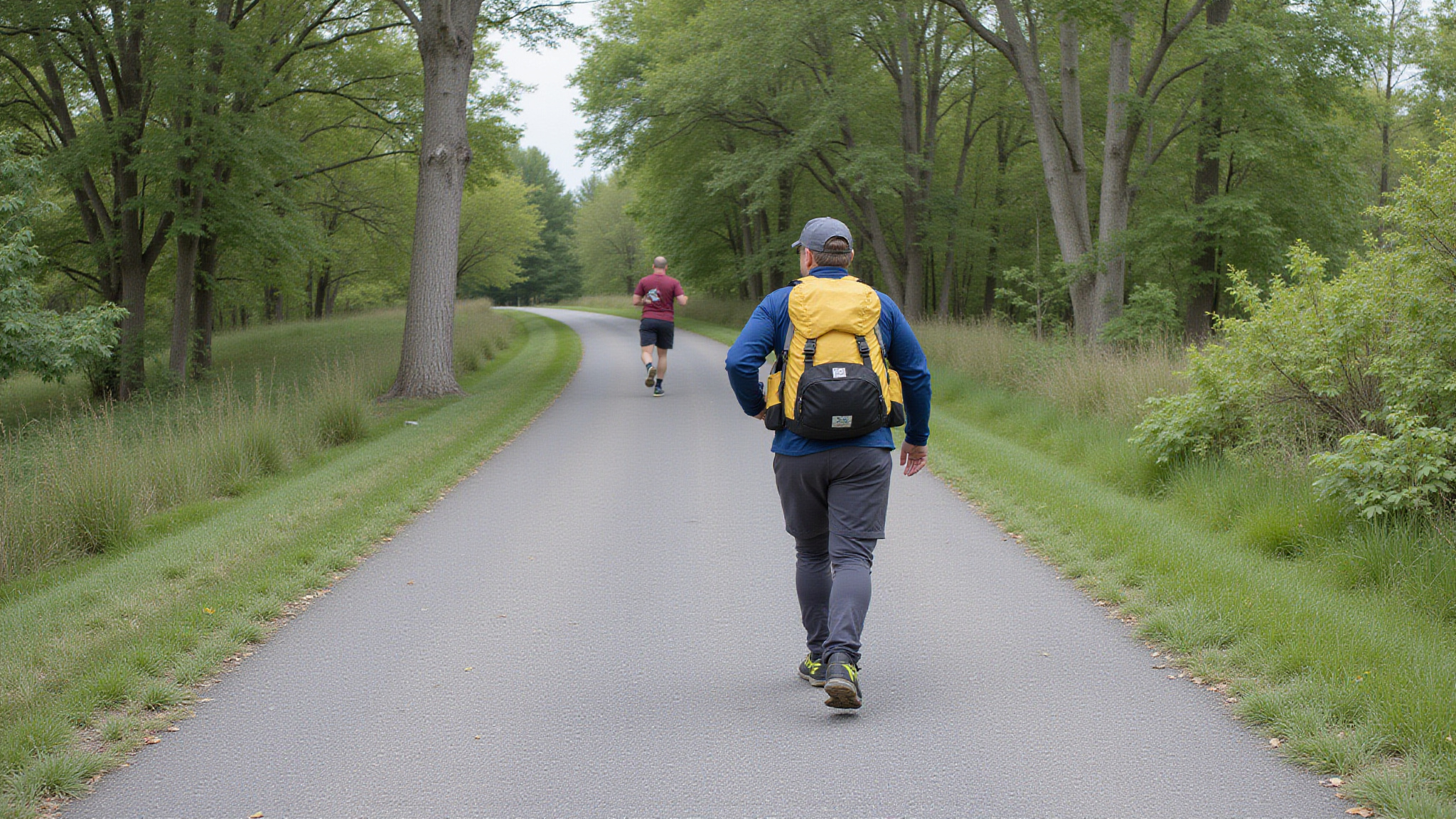
Rucking is walking with a weighted backpack. The added load raises muscular work and cardiovascular demand compared with unloaded walking, yet the activity stays walking-based. That’s what separates it from running: you increase demand through external load, not speed. Your core and postural muscles work to stabilize the pack with each step.
You don’t need specialized gear to start; a sturdy backpack with two shoulder straps works. You can ruck on roads, tracks, or trails, but begin on flat, even surfaces. Carrying extra weight isn’t risk-free. Excessive load or rapid increases can strain your knees, hips, back, and shoulders, so start with a light load and progress gradually. If you have health concerns, get clinician guidance before your first session.
How rucking differs from regular walking
Rucking differs from regular walking because the added weight of a backpack changes how hard your body works with each step. The external load raises both muscular work and cardiovascular demand, so you’ll use more energy than you would walking unloaded. How much more depends on the load, your pace, and individual factors. Your core and postural muscles also have to stabilize the pack throughout each stride, which turns a basic walk into a strength-endurance stimulus.
That extra demand comes with trade-offs. Excessive weight or rapid increases can strain your knees, hips, back, and shoulders, and longer sessions raise the risk of skin irritation and dehydration. Treat rucking as training, not a stroll: start light, keep good posture, and progress load gradually.
What the health and fitness benefits are
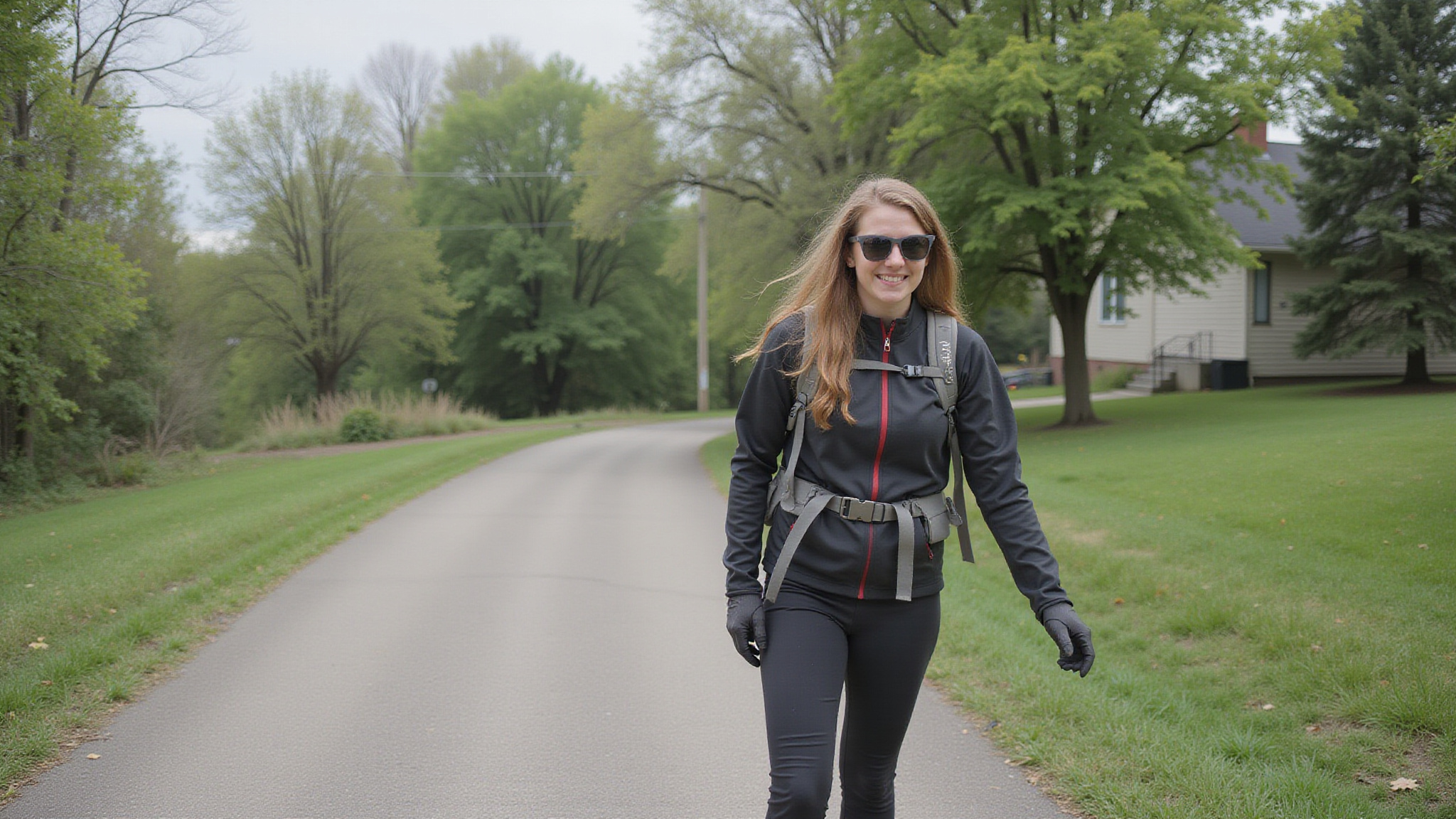
Rucking can build walking endurance, muscular strength, and general fitness in a single session because it combines steady walking with an external load. The pack forces your core and postural muscles to stabilize your body with every step, so you’re training more than your legs. You’ll also use more energy than you would walking unloaded, though the exact increase depends on load, pace, and individual factors.
A 2019 study summarized by Healthline found that a 10-week load-carrying program improved oxygen intake and muscular power while lowering perceived exertion. Loaded walking may provide a bone-loading stimulus, too, but don’t expect guaranteed results. Your gains depend on consistent training and your overall health. If you have health concerns, check with a qualified clinician before you start.
What gear you need to start (backpack, weight, footwear)
You need only a sturdy backpack with two shoulder straps, 5, 10 pounds of weight, and supportive footwear to start, so skip the specialized gear at first. If your backpack has a chest strap, use it; it keeps the shoulder straps from sliding outward under load.
For weight, start with 5, 10 pounds, or less if you’re new to exercise. Position the load high, centered, and close to your back to limit shifting and keep the pack stable. Wrap dense items like books or weight plates in a towel, then fill empty space so nothing moves as you walk.
Choose supportive footwear with good traction, and pair it with moisture-managing socks to keep your feet comfortable on walks. Don’t forget water: one gear guide suggests 20, 32 ounces for a one-hour ruck, adjusted for weather.
How rucking compares to walking and running for calorie burn
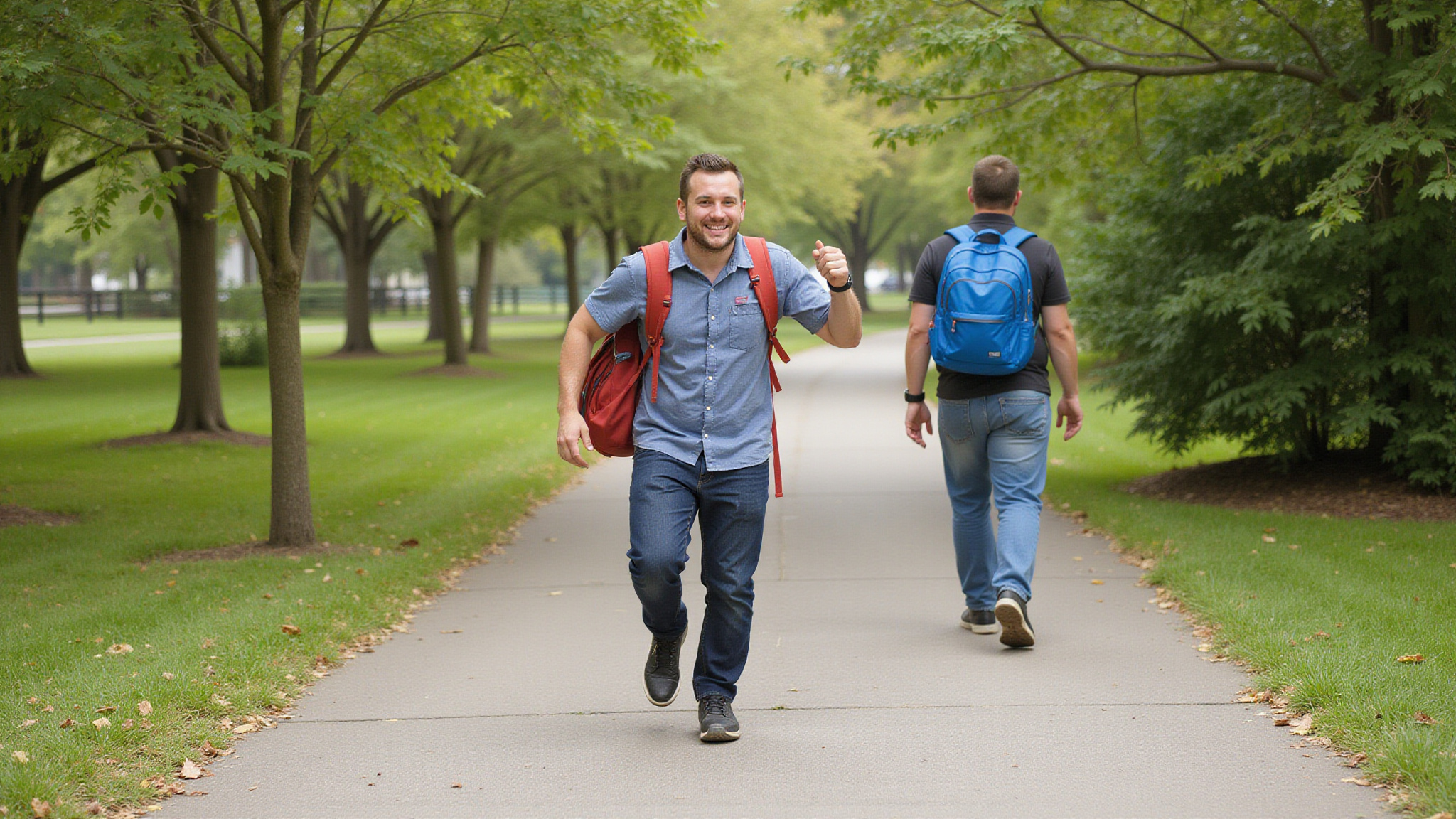
Rucking burns more calories than unloaded walking at the same pace because your body works harder to move and stabilize the added load. Running also places a high demand on your body, but it comes with more impact per stride. Exact energy use depends on load, pace, terrain, and individual factors, so treat calculator estimates as approximations.
| Factor | Effect on Calorie Burn |
|---|---|
| Unloaded walking | Baseline energy use |
| Rucking | Higher than walking; rises with load and pace |
| Running | High demand, but more impact per stride |
| Hills or uneven terrain | Increases demand for all three |
Rucking may be less pounding on your knees than running, yet the added weight still raises stress on your knees, hips, back, and shoulders. Don’t chase calories by piling on weight; extend duration first, then add load gradually, and carry enough water.
How to start safely and build up weight gradually
Start rucking with 5, 10 pounds in a sturdy two-strap backpack, or go lighter if you’re new to exercise. Pack the weight high, centered, and close to your back, and fill gaps so nothing shifts. Begin with one or two 15, 20-minute sessions weekly on flat, even ground at a conversational pace. Keep your spine neutral and your core engaged; don’t slump under the load. Progress by extending duration or distance before adding substantial weight, and change only one variable at a time. One source suggests capping weekly increases at about 10%, but let your recovery guide you. Introduce hills only after flat routes feel comfortable. If you notice sharp pain, numbness, or back strain, reduce the load or stop walking immediately.
How Steppa counts your rucking steps toward cash prizes
Every step you take while rucking counts toward Steppa’s cash prizes the same way an unloaded step does, because Steppa tallies your steps, not pack weight. Rucking is walking under load, but a heavier pack doesn’t earn extra credit. That matters for safety: you gain nothing by overloading, and excessive load or rapid increases can contribute to overuse problems in your knees, hips, back, and shoulders.
Use step goals to structure progression instead. Extend duration or distance first, keep weekly increases to roughly 10%, and hold a conversational pace. Schedule recovery days between sessions. If you feel sharp pain, numbness, or back strain, reduce the load or stop. No prize is worth an injury.
Conclusion
Rucking is one of the most efficient upgrades you can make to a plain walk: by simply adding a weighted backpack, you turn an easy stroll into a full-body, strength-and-endurance workout that asks more of your legs, core, and cardiovascular system and burns more energy per step. The beauty of it is how little you need to begin, a sturdy two-strap pack, supportive shoes, and just 5, 10 pounds, and how naturally it scales as you get fitter. The golden rule is to progress patiently: start light on flat ground with short 15, 20-minute sessions, keep the load high, centered, and close to your back with a tall, neutral posture, build duration before you add weight, cap increases around 10%, and carry water. Listen to your body and back off at any sharp pain, numbness, or strain, and check with a clinician first if you have back, knee, or joint concerns. Build it up the smart way, and rucking becomes a simple, scalable way to get stronger, fitter, and more resilient, one loaded step at a time.
Get Paid for Every Rucking Step
Rucking builds strength, endurance, and resilience, and every step counts toward your daily goal. Play Steppa verifies your rucks through Apple Health and pays winners from the shared prize pool via secure Stripe payouts. Download on the App Store today.
Frequently Asked Questions
Can I Ruck if I Have Existing Back, Knee, or Joint Problems?
You might, but you should get clinician guidance first, since existing back, knee, or joint problems change your risk. Excessive load or rapid increases can contribute to overuse problems in your knees, hips, back, and shoulders. If you’re cleared, start light, around 5 pounds, on flat terrain, keeping the load high, centered, and close to you. Don’t progress quickly, and stop if you feel sharp pain, numbness, or worsening discomfort.
How Often Should Beginners Ruck Each Week to Allow Proper Recovery?
Start with one or two short sessions weekly, and add sessions only when you’ve recovered fully between them. Keep each session around 15, 20 minutes at a conversational pace with 5, 10 pounds. Schedule recovery days to reduce overuse risk. Progress duration before load, and limit weekly increases to about 10%. If you notice sharp pain, numbness, or worsening discomfort, reduce the load or stop. Given your joint concerns, get clinician guidance first.
How Much Water Should I Carry for a One-Hour Ruck?
Carry about 20, 32 ounces of water for a one-hour ruck, as one gear guide suggests. Adjust that amount for your duration, the weather, and your individual needs. You’ll need more in hot conditions, since dehydration is a reported rucking risk during longer or hotter sessions. Pack your bottle high and close to your back so it doesn’t shift. If you feel dizzy or unwell, stop and rehydrate before continuing.
What Should I Do if My Shoulders or Skin Become Irritated?
If your shoulders or skin get irritated, stop or reduce your load, particularly if discomfort worsens or you notice numbness. Check your pack: tighten the chest strap so straps don’t slide outward, and keep weight high, centered, and close to your back. Wrap dense items in a towel and fill gaps to stop shifting. Shorten sessions, add recovery days, and don’t progress until symptoms resolve. See a clinician if they persist.
Is Rucking Safe to Do in Hot Weather?
You can ruck in hot weather, but heat raises your risk of dehydration and skin irritation, especially during longer sessions. Carry water and adjust intake to duration, weather, and your needs; one gear guide suggests 20, 32 ounces for a one-hour ruck. Wear moisture-managing socks, lighten your load, shorten your walk, and keep a conversational pace. Stop if you notice worsening discomfort, and consult a clinician if you’ve got health concerns.