

Yes, walking builds some muscle, but only modestly on its own. It mainly works your glutes and calves, which drive hip extension and push-off with each step. Level-ground walking doesn’t load your legs enough for substantial growth, so you’ll see small gains over months, not weeks. Adding incline raises the demand sharply, boosting calf activity by up to 136%. Below, you’ll see how to pair walking with strength work for real results.
Key Takeaways
- Walking builds some muscle, but gains are modest and typically smaller than those from resistance training.
- Walking mainly works the glutes and calves, which drive hip extension and push-off with each step.
- Level-ground walking loads leg muscles too lightly for substantial growth, and small size changes may take months to appear.
- Walking uphill increases leg muscle demand; a 9° incline raised calf muscle activity 75, 136% in older adults.
- Pair walking with strength training at least 2 days weekly, targeting all major muscle groups, including the upper body.
Does walking build muscle
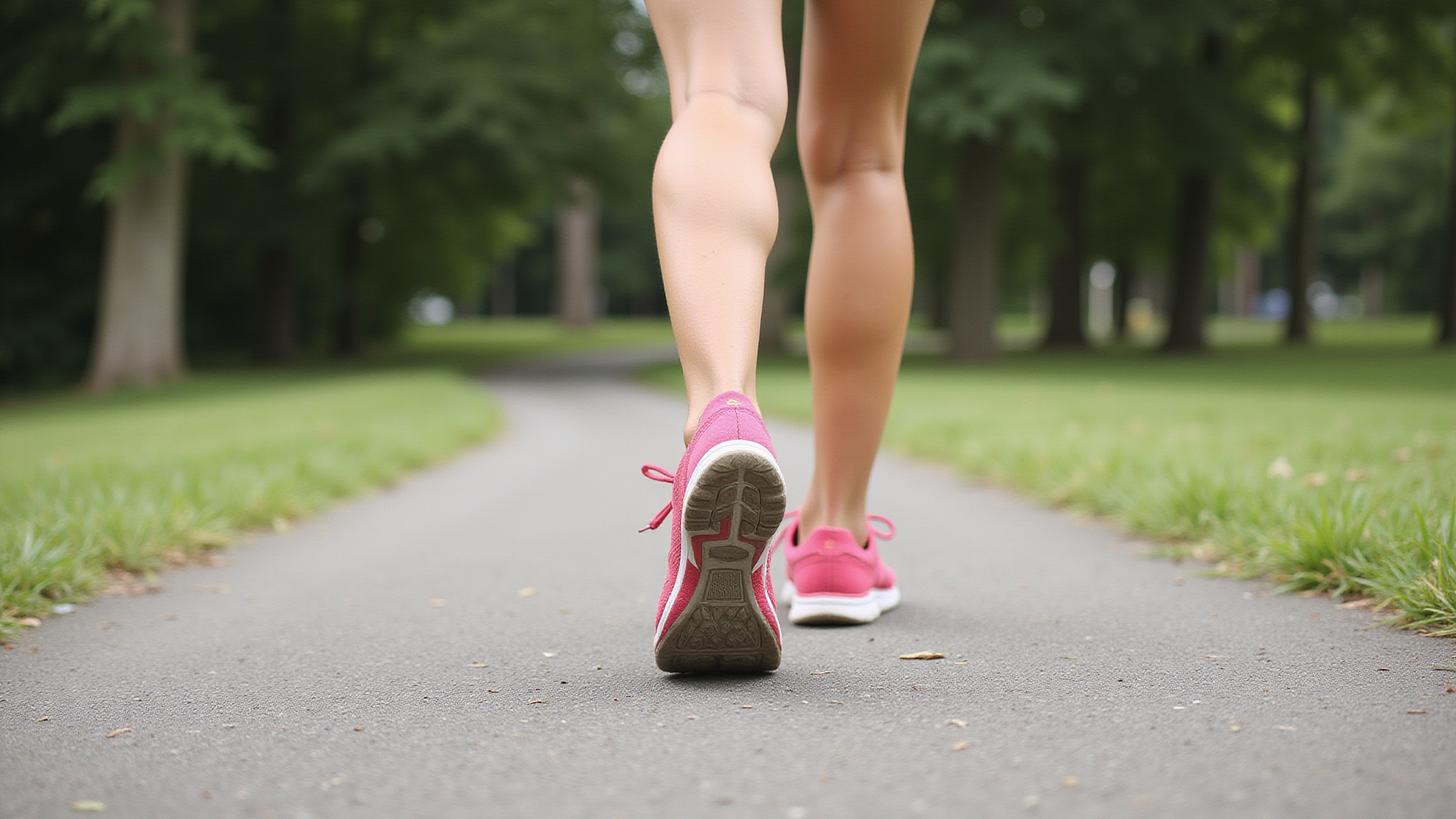
Walking builds some muscle, but not much on its own. It activates your lower-body muscles, especially your glutes and calves, yet ordinary level-ground walking offers only a modest growth stimulus. If you walk regularly at a moderate intensity, you may see small gains in muscle size over months. Those gains typically fall short of what resistance training produces.
Hills change the picture. In one study, older adults walking at a 9° incline increased peak propulsive force by 69%, push-off work by 115%, and plantarflexor activity by 75, 136% compared with level walking. These figures measure short-term muscle activity, not long-term growth.
Walking’s benefits stay concentrated in your legs and cardiovascular system. It won’t replace exercises that train all your major muscle groups.
What muscles walking activates
Walking mainly activates your lower body, especially your glutes and calf muscles, which drive hip extension and the push-off that propels you forward with each step. On level ground, though, that demand stays modest.
Hills change the picture. As the slope rises, you generate more power and torque at your hips, knees, and ankles. In one study, older adults walking at a 9° incline increased peak propulsive force by 69%, push-off work by 115%, and plantarflexor (calf) activity by 75, 136% compared with level walking. Their gluteus maximus reached 73% of maximum voluntary contraction, versus 33% in young adults.
Keep in mind that these findings measure muscle activation, not muscle growth. And walking won’t meaningfully train your chest, back, shoulders, or arms.
Why walking maintains rather than builds significant muscle
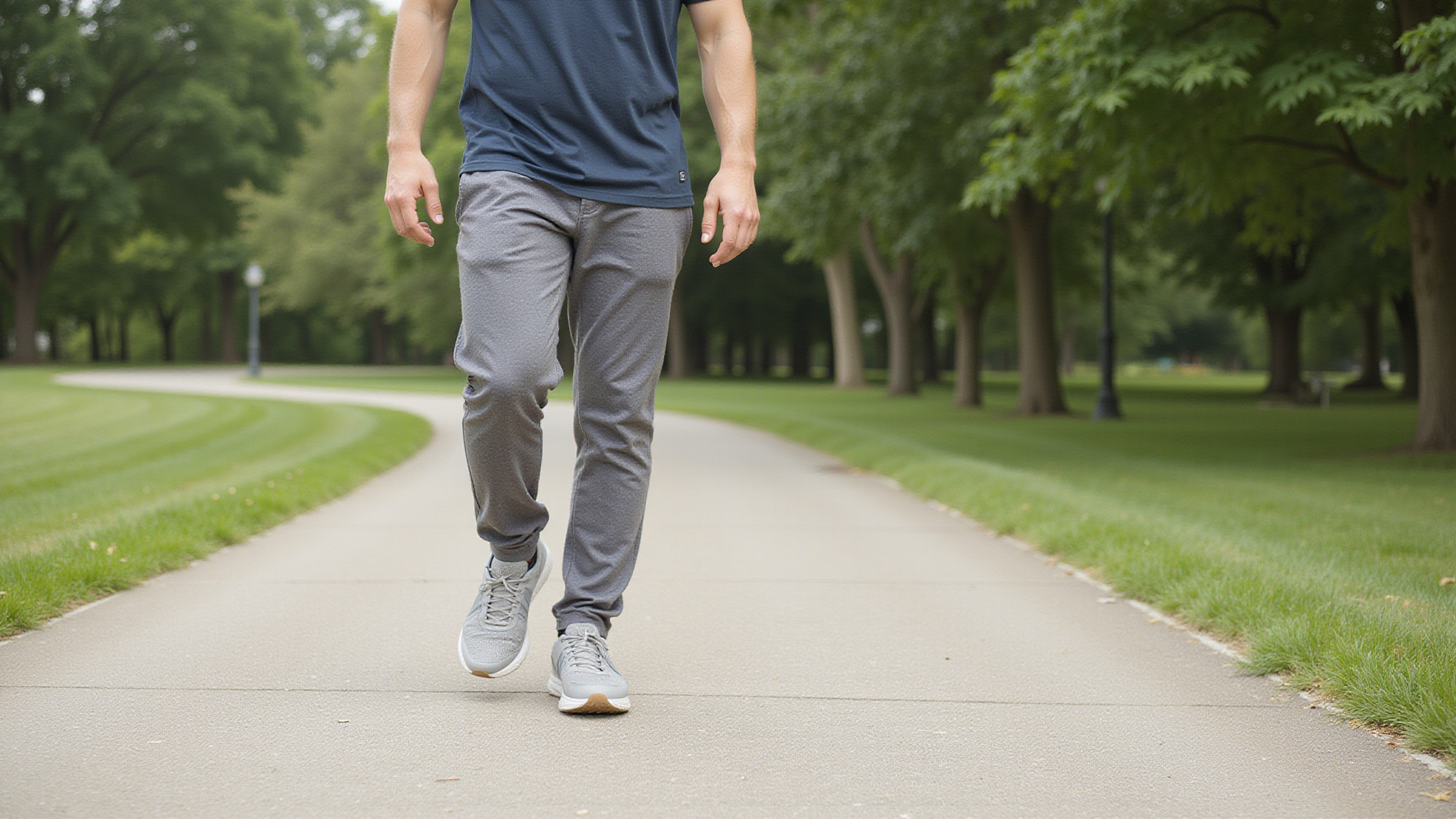
Walking maintains rather than builds significant muscle because ordinary level-ground walking doesn’t load your leg muscles heavily enough to drive substantial growth. Compared with resistance training, it places less mechanical and metabolic stress on your muscles, so its hypertrophic effect is lower. If you walk regularly at a moderate intensity, you may see modest gains in muscle size, but expect them to take months rather than weeks.
Walking’s benefits are also specific. It mainly trains your lower body and cardiovascular system, and it doesn’t challenge your chest, back, shoulders, or arms the way targeted exercises do. Uphill walking raises leg-muscle activity, but that short-term activation hasn’t been shown to produce long-term muscle growth. That’s why guidelines recommend adding muscle-strengthening activity on at least 2 days weekly, working all major muscle groups.
How incline and speed change the muscle demand
Raising the incline makes your legs work much harder to lift your body with each step, while raising your speed to a brisk walk mainly increases intensity to moderate aerobic levels. In older adults walking at a 9° incline, peak propulsive force rose 69%, trailing-leg push-off work rose 115%, and plantarflexor activity climbed 75, 136% compared with level walking. Gluteus maximus activity reached 73% of maximum voluntary contraction at that grade. As slope increases, hip, knee, and ankle power and torque increase too.
Incline is the more direct way to load your hip extensors and calves. Progress gradually by adjusting incline, pace, or duration to your fitness. These findings measure acute demand, not guaranteed long-term muscle growth.
How walking compares to resistance training for muscle building

Walking builds far less muscle than resistance training because even steep incline walking can’t match the load that resistance training places on your muscles. Walking mainly works your glutes and calves, and research reports its hypertrophic effect is lower than resistance training’s. Any size gains take months.
| Factor | Walking | Resistance Training |
|---|---|---|
| Mechanical stress | Lower | Higher |
| Muscles trained | Mainly lower body | All major groups |
| Primary benefit | Aerobic fitness, endurance | Strength, muscle size |
| Upper-body work | Minimal | Chest, back, shoulders, arms |
Uphill walking raises leg-muscle activity and push-off work. That’s acute activation, though, not measured muscle growth. Treat walking as your aerobic base. Then add muscle-strengthening work on at least 2 days weekly, targeting every major muscle group. If you’re 65 or older, include balance activities too.
How to complement walking with strength work
Add muscle-strengthening activity on at least 2 days each week, and work every major muscle group: legs, hips, back, abdomen, chest, shoulders, and arms. Walking mainly loads your lower body, so strength work fills the gaps it leaves.
- Target your upper body directly. Walking doesn’t meaningfully train your chest, back, shoulders, or arms, so include exercises that load them.
- Keep walking as your aerobic base. Aim for at least 150 minutes of brisk walking weekly, and add hills or incline to raise leg demands.
- Add balance work if you’re 65 or older. Treat balance as its own weekly component, alongside aerobic and strengthening activity.
Progress gradually, matching duration, pace, and resistance to your current fitness and mobility.
How Steppa rewards your daily walks while you build your routine
Steppa rewards the daily walks you’re already taking, giving you a reason to lace up on days when motivation dips. That matters because walking’s muscle and fitness benefits build over months rather than weeks, so consistency counts more than any single session.
Use it to support the routine the evidence favors. Aim for at least 150 minutes of brisk walking weekly, and let your step tracking show whether you’re hitting that target. When level walks start feeling easy, add hills or treadmill incline to raise demands on your glutes and calves.
Remember that rewards track movement, not muscle growth. Keep pairing your walks with strengthening work on at least 2 days weekly, and if you’re 65 or older, include balance activities too.
Conclusion
So, does walking build muscle? Yes, but keep your expectations realistic: walking gives your lower body, mainly your glutes and calves, a modest stimulus that shows up as small gains over months, not the bigger changes resistance training delivers. The good news is you can make each walk work harder by adding hills or treadmill incline, which sharply raises the demand on your hip extensors and calves, just remember that’s increased activation rather than guaranteed growth. The winning formula is simple and well supported: treat walking as your aerobic base with about 150 minutes of brisk walking a week, then pair it with muscle-strengthening work at least 2 days weekly that hits every major muscle group, including the upper body walking tends to skip, and add balance training if you’re 65 or older. Progress gradually to match your fitness, stay consistent, and your daily walks become the steady foundation of a stronger, fitter, more capable body.
Get Paid for Your Daily Walk
Daily walking supports your health, builds strength over time, and keeps your routine steady. Play Steppa turns that habit into a shared challenge, with secure Stripe payouts to winners who hit every daily step goal. Download on the App Store today.
Frequently Asked Questions
Can Walking Help Me Lose Belly Fat While Preserving Muscle?
Walking can help, but you can’t target belly fat specifically. Fat loss depends on your overall energy balance, which walking influences. Aim for at least 150 weekly minutes of brisk walking, and add hills or incline to raise leg-muscle demands. Walking alone won’t fully preserve your muscle, though, so you’ll need muscle-strengthening work at least 2 days weekly, covering your chest, back, shoulders, arms, and legs.
Should I Eat More Protein if I Walk Every Day?
Not necessarily. Daily walking alone doesn’t dramatically raise your protein needs, since it’s a modest muscle-building stimulus. If you’re cutting calories to lose belly fat, though, eating more protein (often 1.2, 1.6 g per kilogram of body weight daily) helps you preserve muscle. You’ll get the biggest payoff by pairing that protein with muscle-strengthening work at least 2 days weekly, because walking mainly trains your heart and lower body.
Does Walking With Ankle or Wrist Weights Build More Muscle?
There’s no clear evidence that they build meaningful muscle. What is well established is that inclines raise leg demands: at a 9° uphill grade, older adults boosted push-off work 115% and plantarflexor activity 75, 136% versus level walking. Try hills, though that’s activation, not proven growth. For real muscle gains, you’ll want dedicated strengthening work on at least 2 days each week, hitting all major muscle groups.
Is Walking Backward Better for Leg Muscles Than Walking Forward?
There isn’t clear evidence that backward walking builds more leg muscle than walking forward. What you can rely on: uphill walking raises hip and ankle demands. At a 9° incline, older adults increased plantarflexor activity 75, 136% versus level walking. Still, remember, activation isn’t measured growth. For real strength gains, you’ll want muscle-strengthening work targeting major muscle groups at least 2 days weekly, alongside walking.
Can Walking Too Much Cause Muscle Loss or Overtraining?
Walking’s unlikely to cause muscle loss or true overtraining for most people. It’s a modest, lower-body stimulus, so you’re more likely to plateau than lose muscle. Still, ramp up duration, pace, or incline gradually to match your fitness and mobility. To protect and build strength, add muscle-strengthening work on at least 2 days alongside your 150 weekly minutes of brisk walking.