

Japanese walking, or Interval Walking Training from Shinshu University, has you alternate 3 minutes of brisk walking at about 70% of peak aerobic capacity with 3 minutes of easy walking at about 40%. You’ll repeat five cycles for 30 minutes, at least four days a week. Over five months, studies of adults up to age 78 reported gains in aerobic capacity, thigh strength, and blood pressure. The pacing cues and comparison data below show how to start.
Key Takeaways
- Japanese Interval Walking Training, developed at Shinshu University, alternates 3 minutes of brisk walking with 3 minutes of easy walking.
- Repeating five fast, easy cycles creates a 30-minute session, with warm-up and cool-down walking added separately.
- Brisk intervals target about 70% of peak aerobic capacity, making conversation difficult; easy intervals target about 40% for active recovery.
- Research found interval walking improved aerobic capacity, thigh strength, and blood pressure in middle-aged and older adults over five months.
- For best results, complete at least four sessions weekly for about five months, tracking frequency and completed cycles in Steppa.
What is the Japanese walking method
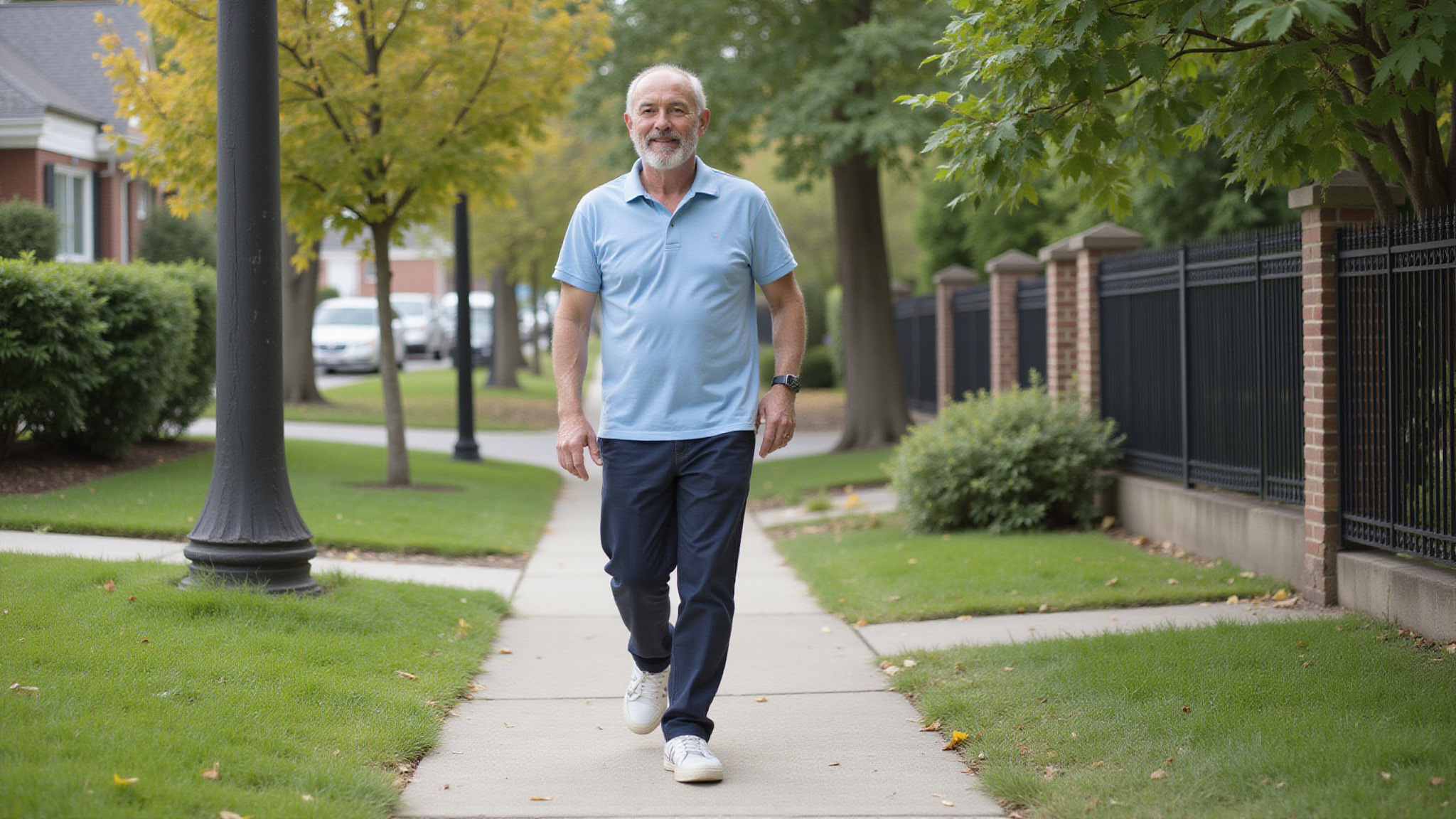
The Japanese walking method, formally called Interval Walking Training (IWT), is a walking workout developed by researchers at Japan’s Shinshu University. Instead of holding one steady pace, you alternate 3 minutes of brisk walking with 3 minutes of easy walking. Five fast and easy cycles give you 30 minutes of interval walking. In the research protocol, fast intervals targeted roughly 70% of peak aerobic capacity and easy intervals about 40%, so intensity was individualized rather than tied to one universal speed. During brisk intervals, conversation should feel difficult. During easy intervals, you should feel comfortable as you recover. The studies typically prescribed at least four sessions each week, and reported benefits come from programs lasting about five months, not from a single 30-minute workout.
How interval walking alternates fast and moderate paces
Interval walking alternates 3 minutes of brisk walking with 3 minutes of easy walking, switching effort every 3 minutes instead of settling into one steady pace. Five of these pairs give you 30 minutes of intervals.
In the Shinshu University protocol, your fast intervals target roughly 70% of peak aerobic capacity, and your easy intervals target about 40%. Because those targets are individualized, there’s no universal walking speed you’re meant to hit.
Use the talk test to gauge your effort. During brisk intervals, conversation should feel difficult. During easy intervals, you should feel comfortable. The easy phase isn’t a rest stop. It’s an active recovery that prepares you for the next brisk push.
What the research says about its benefits

Research shows that interval walking improves peak aerobic capacity, thigh-muscle strength, and blood pressure in middle-aged and older adults. Shinshu University researchers first tested the method in a 2007 study that followed 246 adults aged 44, 78 (average age 63) for five months. Participants were split into interval walkers, steady moderate-pace walkers, and non-walking controls. The interval group showed these improvements, though the exact blood-pressure change varied across reports.
A later analysis of 679 middle-aged and older adults reported a 14% average increase in estimated peak aerobic capacity after five months. It also found a 17% reduction in a composite lifestyle-related disease score.
These findings have two limits. The gains came from structured programs lasting months, not from a single 30-minute workout. The participants were also middle-aged and older, so you shouldn’t assume the same results for every population.
How to do a 30-minute Japanese walking session
Alternate 3 minutes of brisk walking with 3 minutes of easy walking, and repeat this pair five times for 30 minutes of intervals. Begin with a few minutes of comfortable walking to warm up before the first brisk interval. Researchers prescribed fast intervals at roughly 70% of peak aerobic capacity and easy intervals at about 40%. Use these cues:
Alternate 3 minutes of brisk walking with 3 minutes of easy walking, repeating five times for 30 minutes of intervals.
- Brisk pace: you’ll feel purposeful effort, and conversation becomes difficult.
- Easy pace: you’ll recover comfortably before the next brisk interval.
- Schedule: aim for four or more sessions weekly, matching studied protocols.
- Session length: adding a warm-up and cool-down extends total time beyond 30 minutes.
- Beginners: try 3 minutes of normal walking, then 1 minute briskly.
Adjust pace to your current ability. Targets aren’t universal speeds.
How interval walking compares to steady-pace walking

Interval walking differs from steady-pace walking in structure, since you alternate effort instead of holding one pace, and in a 2007 Shinshu University study it improved peak aerobic capacity, thigh-muscle strength, and blood pressure.
Researchers followed 246 adults aged 44, 78 (average age 63) for five months and compared three groups: interval walkers, steady moderate-pace walkers, and non-walking controls.
| Feature | Interval walking | Steady-pace walking |
|---|---|---|
| Intensity pattern | ~70% then ~40% of peak aerobic capacity | One moderate pace throughout |
| Effort feel | Brisk intervals make conversation difficult | Consistent, sustained effort |
| Reported outcomes | Aerobic capacity, leg strength, blood pressure | Comparison group in original study |
Remember these findings come from months of structured training in middle-aged and older adults, so don’t assume identical results for every population or single workout.
Who this method works best for
This method works best for middle-aged and older adults, since the research tested this group and it has the strongest evidence. In the 2007 study, participants aged 44, 78 improved aerobic capacity, thigh strength, and blood pressure over five months. You’ll likely benefit most if you:
- Are middle-aged or older and want measurable fitness gains
- Can commit to at least four 30-minute sessions weekly for months
- Want leg-strength improvements without gym equipment
- Need to manage lifestyle-disease risk factors such as blood pressure
- Prefer alternating effort over one steady pace
If you’re a beginner, start with 3 minutes of normal walking and 1 minute brisk, then progress. Don’t assume results transfer equally to younger or clinical populations. If you have health concerns, get qualified medical advice before starting strenuous exercise.
How Steppa tracks your interval walks toward daily goals
Steppa counts each logged interval walk toward your daily step goal and builds a weekly record you can check against the four-session target. Log each session in Steppa so your walks count toward that goal and the record shows whether you’re following the protocol the research tested, which called for four or more sessions weekly.
Your record should capture three variables: session frequency, total interval time, and completed brisk-easy cycles. Five 3-minute pairs equal 30 minutes. Warm-up and cool-down add time but aren’t part of that count.
The studies set intensity relative to aerobic capacity, not step totals. Steps confirm volume, but they don’t confirm you reached roughly 70% effort. Pair your logs with the talk test: brisk intervals should make conversation difficult. Review trends across months, since benefits came from five-month programs.
Conclusion
Japanese interval walking is proof that a smarter structure can make a simple 30-minute walk far more effective. By alternating 3 minutes of brisk effort (about 70% of your peak aerobic capacity) with 3 minutes of easy recovery (about 40%) for five cycles, you turn an ordinary stroll into a workout that research links to real gains in aerobic capacity, thigh strength, and blood pressure, no gym or equipment required. The approach is refreshingly flexible because it’s based on your own effort rather than a fixed speed: let the talk test guide you, aim for at least four sessions a week, and add a warm-up and cool-down around your intervals. Keep expectations grounded, the strongest evidence comes from middle-aged and older adults following months-long programs, not a single session, so consistency over about five months is what delivers results, and it’s wise to check with a clinician first if you have health concerns. Start where you are, build gradually, and this elegantly simple method becomes one of the most time-efficient ways to boost your fitness through walking.
Reward Your 30-Minute Walking Routine
Japanese interval walking builds endurance in just 30 minutes a day, and shared challenges make that routine stick. Play Steppa tracks every step through Apple Health and pays out from the prize pool when you hit your daily goals. Download on the App Store today.
Frequently Asked Questions
Can I Do Japanese Interval Walking on a Treadmill Instead of Outdoors?
Yes, you can. IWT’s protocol defines intensity by aerobic capacity, roughly 70% peak for brisk intervals and 40% for easy ones, not by terrain or a fixed speed. You’ll alternate 3 brisk minutes with 3 easy minutes, five times, adjusting belt speed or incline so brisk walking makes conversation difficult. Since the method is effort-based, it transfers well to a treadmill. Seek clinical advice if you have health concerns.
What Type of Shoes Are Best for Interval Walking Sessions?
You’ll want comfortable, well-fitting, supportive walking shoes that handle both your purposeful brisk 3-minute intervals and comfortable 3-minute recovery intervals. Prioritize fit and cushioning over specific features. If you’ve got foot, joint, or other health concerns, consult a qualified clinician or podiatrist before starting four weekly sessions.
Can I Split the 30 Minutes Into Shorter Sessions Throughout the Day?
The original method uses continuous blocks, so splitting departs from the studied format. Shinshu University’s protocol ran continuous 30-minute sessions: five cycles of 3 minutes brisk walking (about 70% of peak aerobic capacity) and 3 minutes easy walking (about 40%), four or more times weekly, and those structured, months-long programs produced the reported fitness, strength, and blood-pressure gains. You can still split the time if that’s what fits your schedule, but your results may differ from the published findings.
Is It Safe to Combine Interval Walking With Strength Training or Running?
Many people combine walking with other training, but adjust the overall load to your current ability. Shinshu University’s protocol used individualized intensities (about 70% and 40% of peak aerobic capacity) across four or more weekly sessions, and it reported improved thigh strength. If you add strength work or running, build up gradually, listen to your body, and consult a qualified clinician before starting if you’ve got health concerns.
What Should I Do if I Miss a Scheduled Walking Session?
Resume at your next opportunity; don’t try to make up for it by doubling intervals. Studies prescribed at least four weekly sessions of five 3-minute brisk/3-minute easy cycles, so you can reschedule the missed session later that week to keep your weekly count. Reported gains, like a 14% increase in estimated peak aerobic capacity, came from five-month programs, so one missed session won’t meaningfully derail your progress if you stay consistent.