

Yes, the 12-3-30 workout works as moderate-intensity cardio. You set a treadmill to a 12% incline and 3 mph, then walk for 30 minutes. The steep grade forces you to work against gravity, recruiting your glutes and hamstrings. In a small study of 17 adults, you’d average 124 bpm and burn roughly 220 calories. You’ll only lose weight in a calorie deficit. Here’s how it compares with walking and jogging, and who should modify it.
Key Takeaways
- The 12-3-30 workout means walking on a treadmill at a 12% incline and 3 mph for 30 minutes.
- Lauren Giraldo popularized the routine on YouTube in 2019, reporting a 30-pound weight loss without citing research.
- The steep incline increases effort and glute and hamstring engagement compared with flat walking, while staying lower-impact than running.
- In a small study of 17 adults, the workout averaged about 124 bpm and burned roughly 220 calories in 30 minutes.
- The routine works as moderate exercise, but it isn’t proven uniquely effective, and weight loss still requires a calorie deficit.
What is the 12-3-30 workout
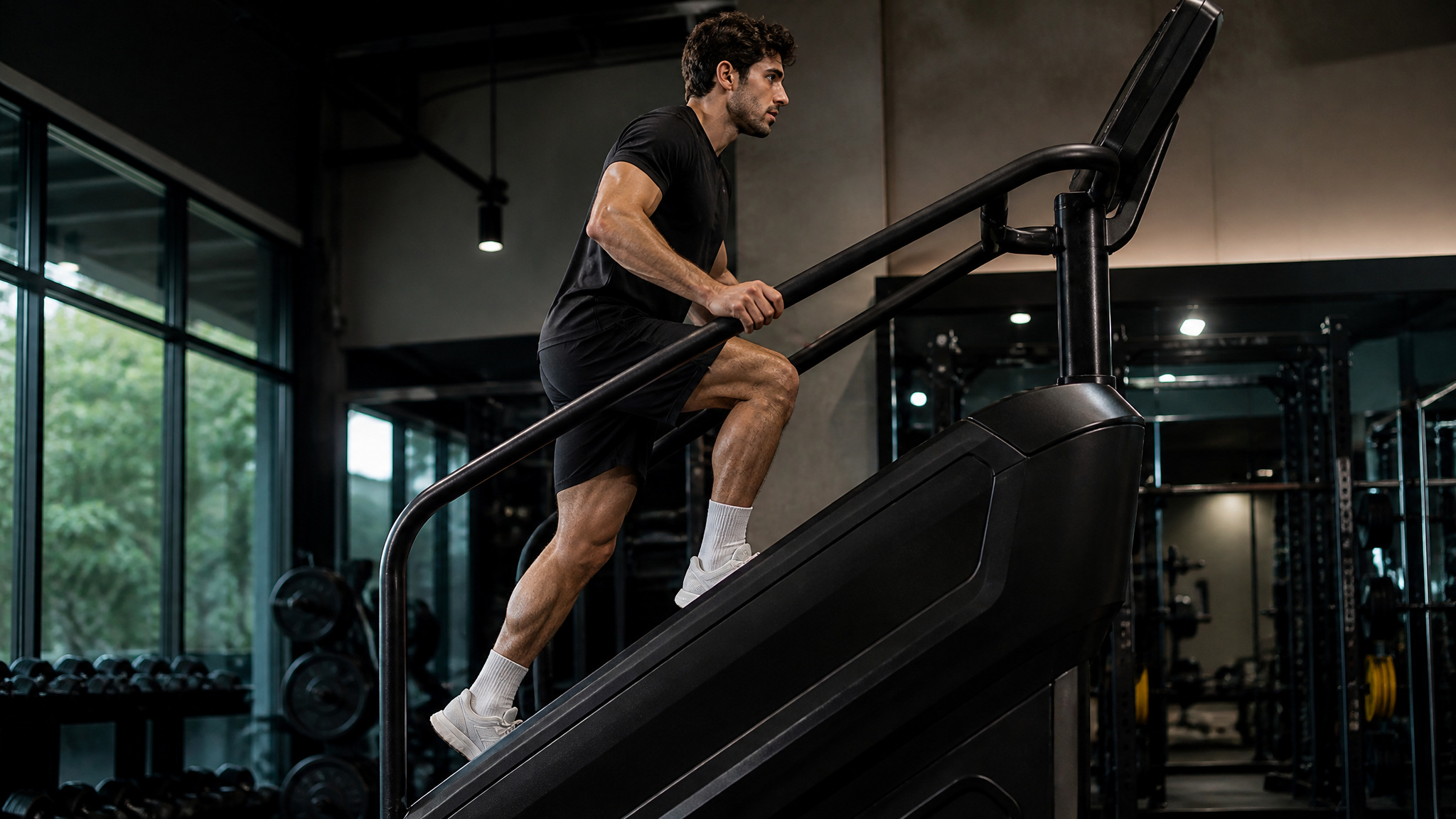
The 12-3-30 workout is a simple treadmill routine: you set the incline to 12%, walk at 3 miles per hour, and keep going for 30 minutes. Fitness influencer Lauren Giraldo popularized the routine on YouTube in 2019, and it later spread across TikTok and Instagram. Its fixed, repeatable settings made it easy to share and replicate, which helped turn it into a viral treadmill trend.
Mechanically, the steep incline is what distinguishes it from ordinary walking. You’re working against gravity, which raises exercise intensity and recruits your glutes, hamstrings, and other lower-body muscles more than flat walking does. Because you’re walking rather than running, joint impact stays comparatively lower, though the workout remains genuinely demanding.
Where the trend came from and why it went viral
The 12-3-30 workout came from a 2019 YouTube video by Lauren Giraldo, and it went viral because its simple format made it easy to remember, repeat, and share. Giraldo wasn’t citing research. She was sharing a treadmill setting that worked for her, and she later reported losing 30 pounds. That personal account spread to TikTok and Instagram, where the routine gained a larger audience.
The format explains much of its reach. You don’t need to calculate heart-rate zones or follow a complex interval plan; you set three numbers and walk.
You should separate popularity from proof. Giraldo’s result is an individual outcome, not evidence of typical results, and no studies specifically establish 12-3-30 as uniquely effective. What research does support is broader: incline walking raises energy expenditure compared with level walking.
What the research says about incline walking at this setting
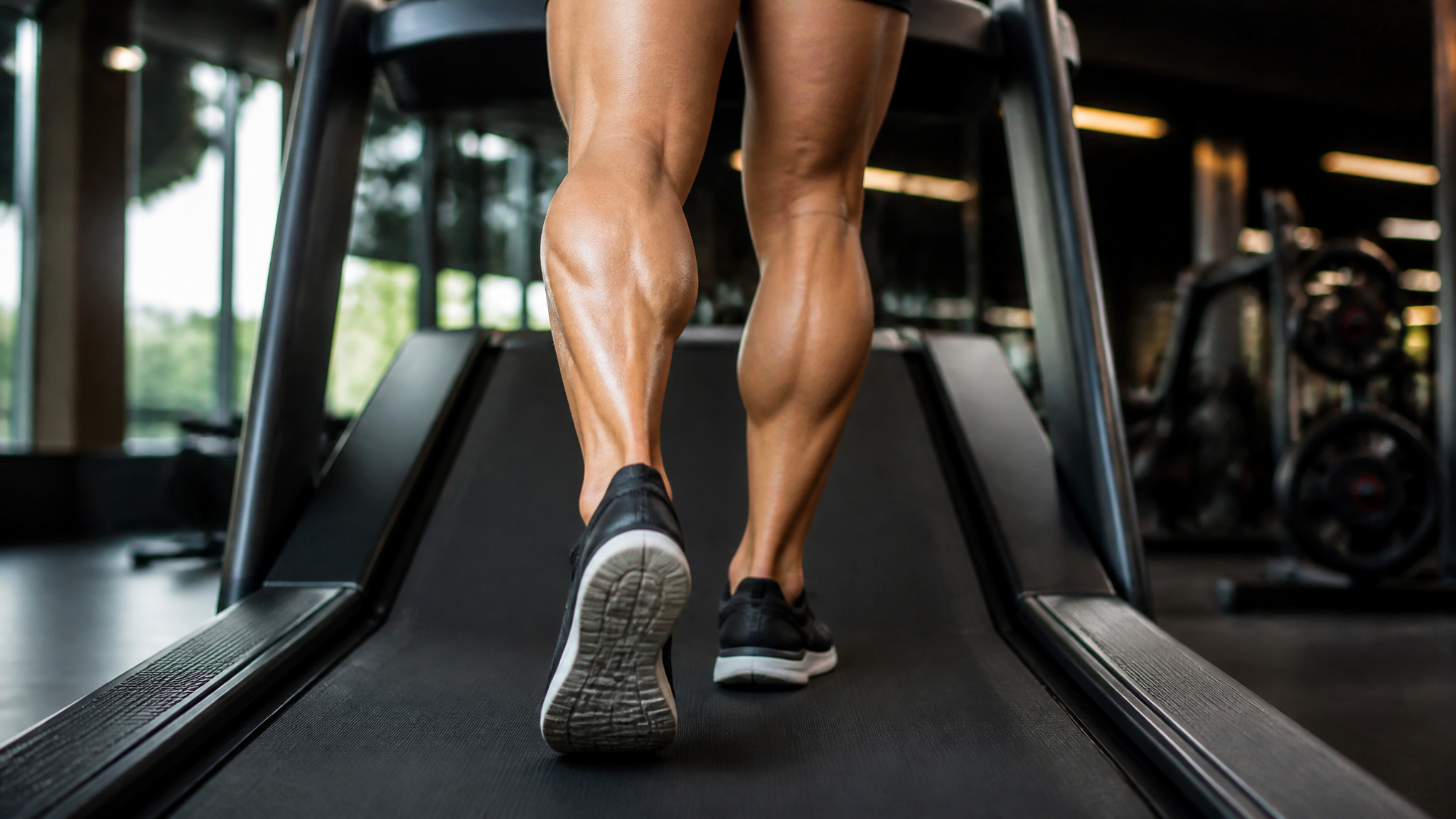
The most direct data on 12-3-30 come from a small study of 17 adults who completed the workout, since no trial has tested it as a distinct protocol. Participants averaged a heart rate of 124 beats per minute, classified as moderate intensity, and burned about 220 calories in 30 minutes. Another estimate suggests roughly 300 calories for a 150-pound person, so you shouldn’t treat any single number as your result. Body weight, fitness, gait, and treadmill calibration shift expenditure.
Broader incline research supports the mechanism. One study found walking burned 17% more calories at a 5% grade and 32% more at 10% than level walking. Uphill effort also recruits your glutes and hamstrings more heavily. Still, that’s general incline data, not proof 12-3-30 is uniquely effective.
What the real benefits and limitations are
The real benefits of 12-3-30 are more intensity than flat walking, extra glute and hamstring work, less impact than running, and enough weekly aerobic volume to meet the CDC minimum. Its limitations are that no study shows it is uniquely effective, weight loss still depends on a calorie deficit, and repeating it invites overuse. It is a structured way to do moderate-intensity incline walking, and its benefits follow from that.
- Higher intensity than flat walking: The 12% grade makes you work against gravity, raising energy expenditure and lower-body muscle activity.
- Glute and hamstring engagement: Your posterior chain does more work uphill, though this isn’t a replacement for resistance training.
- Lower impact than running: You avoid running’s impact, but the steep grade still loads your calves, Achilles tendon, and lower back.
- Aerobic volume: Five sessions give you 150 weekly minutes, meeting the CDC minimum.
No study shows 12-3-30 is uniquely effective. Weight loss still depends on a sustained calorie deficit, and repeating one demanding routine invites overuse.
How the 12-3-30 compares to regular walking and jogging
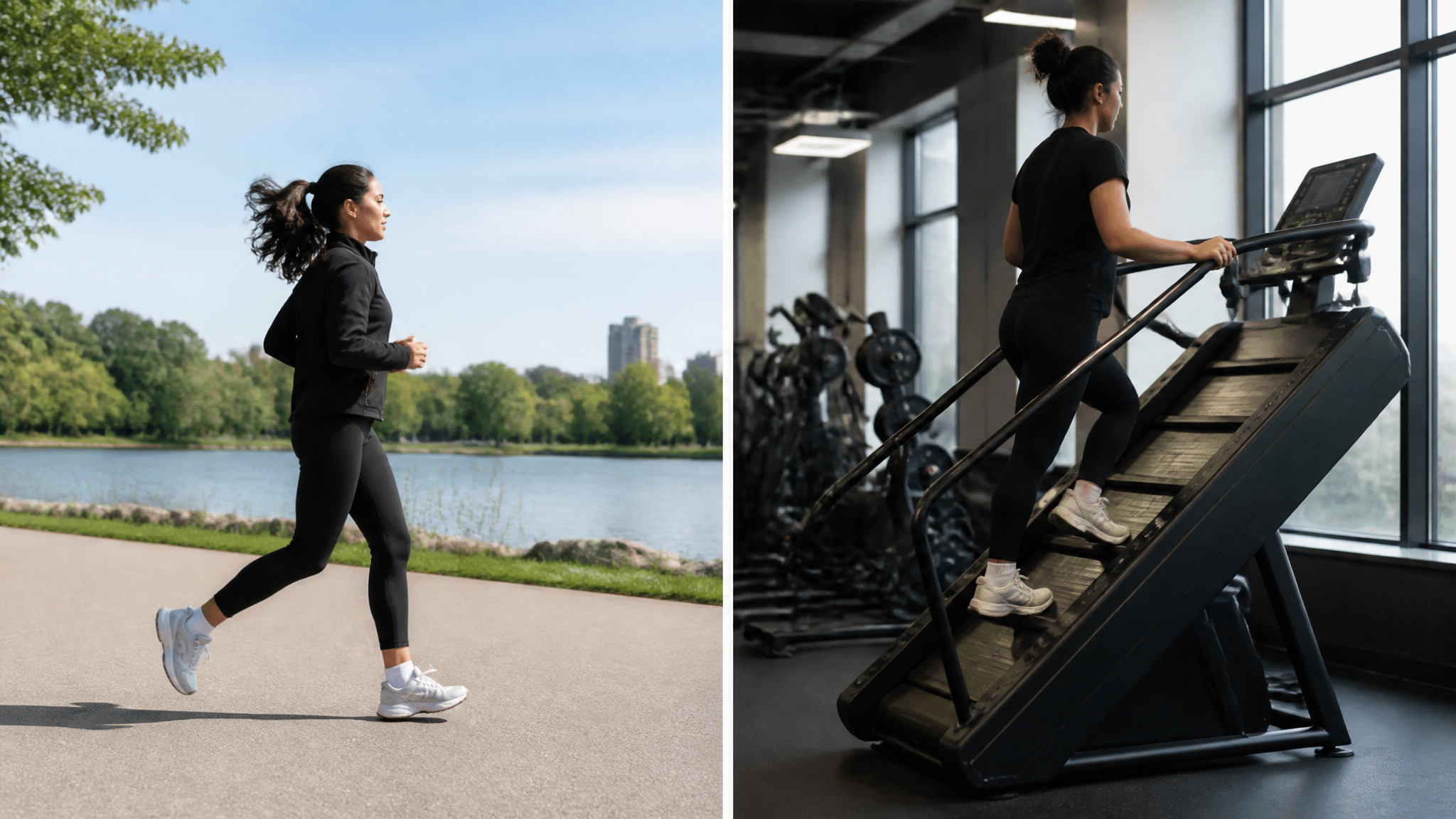
The 12-3-30 burns more energy than regular walking at the same pace and keeps impact lower than jogging, though the steep slope still makes sessions demanding. The extra burn comes from the 12% grade, which makes you lift your body weight against gravity with every step.
| Treadmill grade | Extra calories vs. flat walking |
|---|---|
| 0% | Baseline |
| 5% | About 17% more |
| 10% | About 32% more |
The incline also shifts work toward your glutes, hamstrings, and calves, increasing lower-body muscle activity.
Against jogging, you trade speed for grade. One small study recorded an average heart rate of 124 beats per minute, classified as moderate intensity. If running aggravates your joints, the 12-3-30 offers a cardiovascular challenge with less pounding, but it can strain your calves and Achilles tendon, so progress gradually.
Who this workout is right for and who should modify it
The 12-3-30 suits you best if you can already walk briskly for 30 minutes on a flat treadmill without discomfort and want a low-impact way to raise cardiovascular demand. Anyone else should modify the settings rather than forcing them:
- New to exercise: Start with a lower incline, slower speed, or shorter duration, then progress gradually.
- Prone to tight calves or Achilles issues: Add incline in small steps. Rapid jumps strain calves, hamstrings, tendons, and your lower back.
- Balance problems or recurring lower-body pain: Get clinical guidance first, and use handrails only for safety.
- Training daily: Rotate in other activities, since repeating one demanding session invites overuse and burnout.
Whatever your starting level, warm up and cool down for five to 10 minutes each.
How Steppa counts your treadmill steps toward challenges
Steppa counts your treadmill steps using motion sensors, since GPS can’t register distance while a treadmill keeps you in place. Your phone or wearable uses an accelerometer to detect the rhythmic arm and hip movement of each stride, and those steps feed into your Steppa challenge totals.
This method has limits you should understand. If you grip the handrails on a 12% incline, your wrist barely moves, and a watch may undercount substantially. Carrying your phone in a pocket usually tracks leg motion more reliably than a device resting on the console.
To keep your data accurate, let your arms swing naturally, release the rails once you’re stable, and compare your device’s tally with the treadmill display. If numbers diverge sharply, check sensor placement.
Conclusion
So, does the 12-3-30 treadmill trend work? Yes, as what it actually is: a simple, repeatable way to get moderate-intensity incline walking. Setting the treadmill to a 12% grade, 3 mph, and 30 minutes makes you work harder against gravity than flat walking, recruits your glutes and hamstrings, and delivers a solid cardio session (around 124 bpm and roughly 220 calories in the small study) while staying gentler on your joints than running. Just keep the hype in perspective: no research shows 12-3-30 is uniquely effective, Lauren Giraldo’s 30-pound result is one person’s story rather than a promise, and any weight loss still comes down to a sustained calorie deficit. Treat it as one good tool rather than a magic formula, ease into the incline, warm up and cool down, modify the settings if you’re new or dealing with calf, Achilles, balance, or lower-back issues, and rotate in other activities to avoid overuse. Do that, and the 12-3-30 becomes a genuinely effective, low-impact addition to a well-rounded routine.
Add Real Stakes to Your Interval Walks
A 30-minute daily walk goes further with accountability and a reason to show up every single day. Play Steppa connects your interval walks to shared challenges with Stripe payouts for everyone who completes the daily goals. Download on the App Store today.
Frequently Asked Questions
How Many Times per Week Should I Do the 12-3-30 Workout?
Aim for up to five sessions weekly. Five 30-minute sessions total 150 minutes, matching the CDC’s minimum for moderate-intensity aerobic activity. Don’t start there, though. You’ll reduce strain on your calves, Achilles tendon, and lower back by building gradually from flat walking to lower inclines. Include 5, 10 minute warm-ups and cool-downs, and swap in other activities to limit overuse and burnout. No study has shown 12-3-30 is uniquely effective, though.
What Shoes Are Best for Steep Incline Treadmill Walking?
You’ll do best in supportive walking or running shoes with a secure heel counter, grippy outsole, and flexible forefoot. Because a 12% incline loads your calves and Achilles tendon, a moderate heel-to-toe drop (roughly 8, 12 mm) may ease that strain, while minimalist, zero-drop shoes could amplify it. Prioritize fit and comfort, and lower the incline if your calves, Achilles, or lower back ache persistently.
Should I Warm up and Cool Down Before and After 12-3-30?
Yes, you definitely should. Harvard Health recommends five to 10 minutes of warm-up and cool-down around treadmill exercise. Since a 12% incline raises intensity and loads your calves, hamstrings, Achilles tendon, and lower back, you’ll want to prepare those tissues gradually. Start with a flat or low-incline walk, then ramp up incrementally. Afterward, lower the incline and speed progressively so your heart rate can decline steadily and comfortably rather than abruptly.
Can I Do the 12-3-30 Workout Outdoors on a Hill?
Yes, you can approximate it outdoors, but you won’t replicate it precisely. The routine relies on fixed settings (12% incline, 3 mph, 30 minutes), and natural hills rarely hold a constant 12% grade for half an hour. Still, the underlying mechanism transfers: walking uphill raises intensity, energy expenditure, and lower-body muscle demand versus level ground. You’ll also face descents, which load muscles differently, so build gradually, warm up, and cool down.
Is It Okay to Hold the Handrails During the Workout?
Yes, you can hold the handrails when you need extra stability, since they help with safety. However, if you’re gripping them to keep up, the workload’s exceeding your current capacity. Reduce the incline or pace instead. A 12% grade for 30 minutes can strain your calves, hamstrings, Achilles tendon, or lower back. If you’ve got balance problems or recurring lower-body pain, use caution and consider clinical guidance before you start.