

You’ll burn 100 calories in about 2,500 steps at a normal walking pace. That’s based on roughly 0.04 calories per step for most adults. But the exact number shifts with your weight and pace. Heavier bodies burn more per step, so you’ll need fewer, around 1,500 to 1,800 steps at 200 pounds. Brisk walking drops you closer to 2,000 steps, while easy strolling pushes higher. Below, you’ll see how to dial in your personal number.
Key Takeaways
- Most adults need between 2,000 and 3,000 steps to burn 100 calories, averaging around 2,500 at a normal pace.
- Walking burns roughly 0.04 calories per step, while brisk movement raises this to about 0.05, lowering the count near 2,000.
- Heavier bodies burn more per step, so a 200 lb walker may reach 100 calories in just 1,500, 1,800 steps.
- Jogging cuts the count to roughly 1,540 steps, and hills or stairs increase burn by engaging larger muscles.
- Pace, terrain, and body weight influence calorie burn more than raw step count alone.
How many steps does it take to burn 100 calories
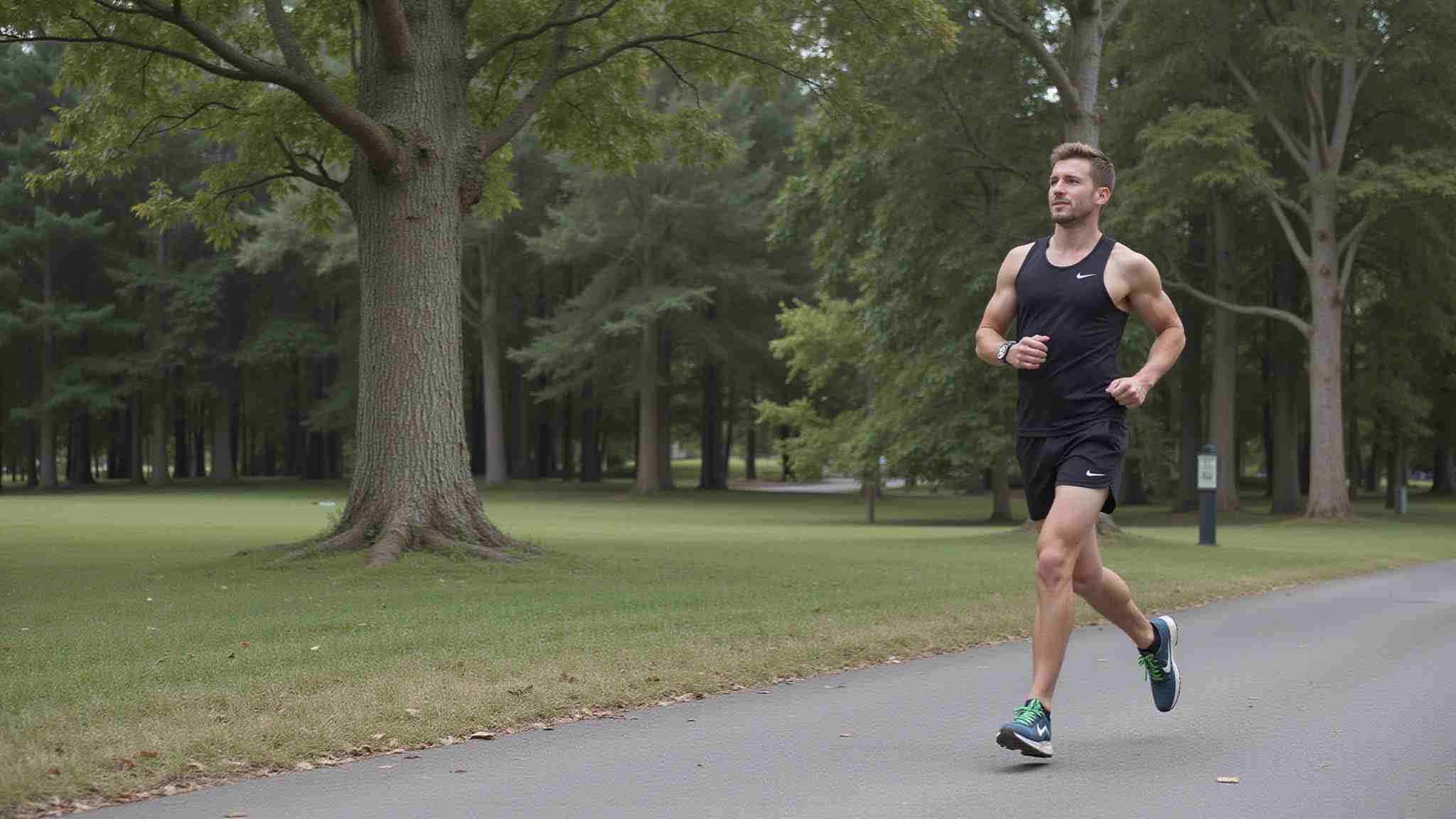
It takes between 2,000 and 3,000 steps to burn 100 calories, with about 2,500 steps serving as a reliable average for most adults walking at a normal pace. Your body weight, pace, and stride all shape the total. At roughly 0.04 calories per step, you’ll reach 100 calories walking around 2,500 steps. Bump your effort to 0.05 calories per step through brisk movement, and how many steps burns 100 calories drops closer to 2,000.
A 150 lb adult averages about 2,700 steps, while a 160 lb adult lands near 2,500. So your 100 calories walking target isn’t fixed. It shifts with your physiology, but 2,500 steps remains a solid benchmark.
Why the number depends on your weight and pace
Your weight and pace determine the number because they drive your energy expenditure: how much mass you’re moving and how fast you’re moving it. Your body weight sets the baseline cost per step. If you weigh 70 kg, you’ll burn roughly 40, 50 calories per 1,000 steps, putting your steps to burn 100 calories near 2,100. Reach 100 kg, and you’ll hit that target in about 1,500 steps, since you’re moving more mass with each stride.
Pace layers on top of weight. Easy walking burns less per step, so you’ll take more steps. Pick up to a brisk pace, and you’ll drop closer to 2,000. Jogging pushes you nearer 1,540. That’s why your weight and speed matter more than any fixed step count.
How the step count to burn 100 calories varies by weight
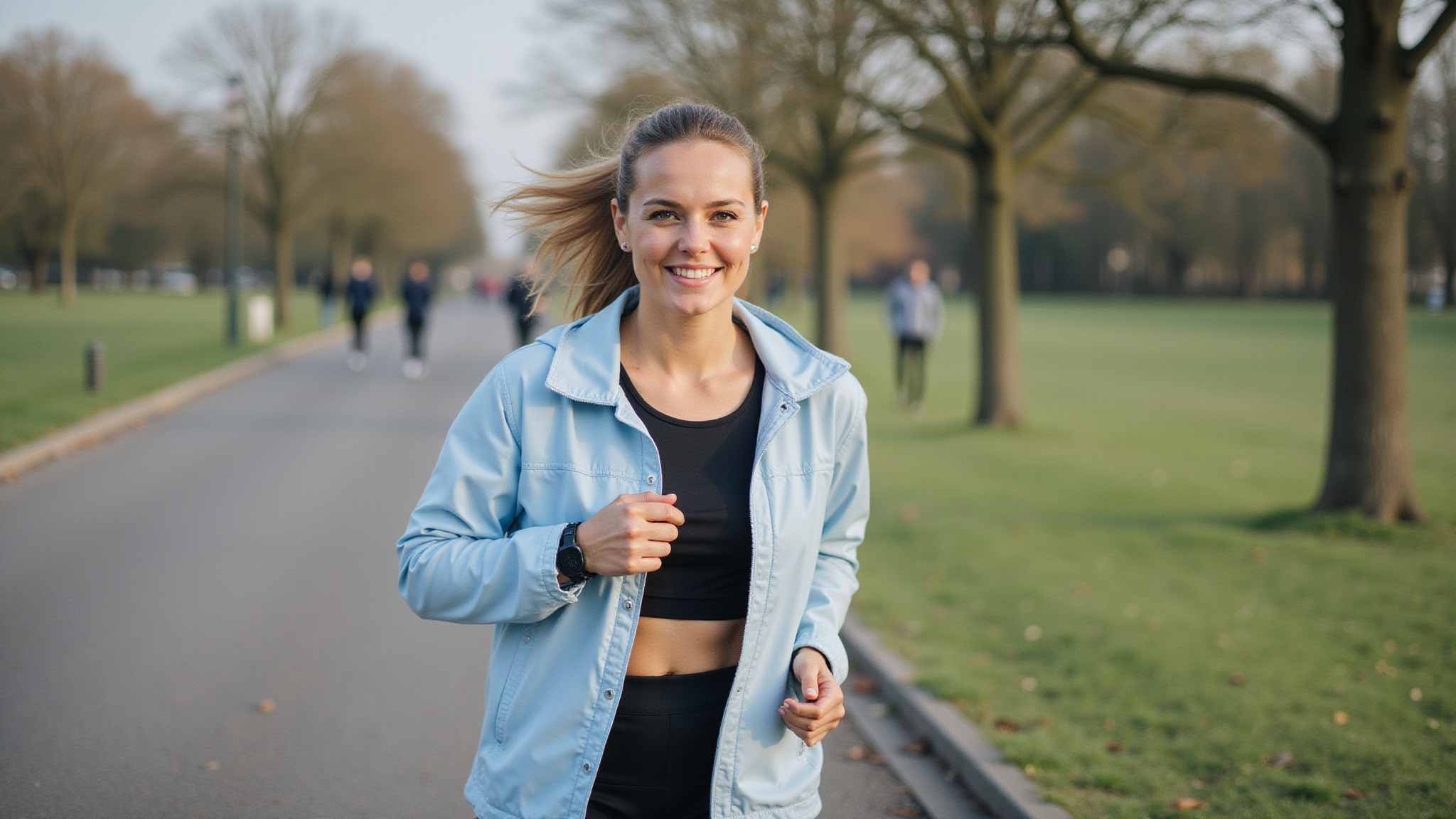
Heavier bodies reach 100 calories in fewer steps. Your mass directly affects how much energy each step demands, moving more weight costs more calories per stride. A lighter walker burns roughly 0.038 calories per step, while a heavier one burns closer to 0.05 or more, compressing the step count needed.
| Body Weight | Steps for 100 Calories |
|---|---|
| 150 lb | ~2,700 |
| 160 lb | ~2,500 |
| 200 lb | ~1,500, 1,800 |
Notice the trend: as your weight climbs, your step requirement drops. A 70 kg person needs about 2,100 steps, while a 100 kg person reaches 100 calories in roughly 1,500. So your body weight, more than anything, sets your baseline step target.
How walking compares to other ways to burn 100 calories
Different activities burn the same 100 calories through different physiological demands. When you jog instead of walk, you recruit more muscle fibers and elevate your heart rate, dropping the count to roughly 1,540 steps for 100 calories. Brisk walking lands you near 2,000 steps, while an easy pace pushes you toward 2,500 or more. The difference comes down to intensity: faster movement raises your energy cost per step, so you reach 100 calories sooner.
Climbing stairs or tackling hills works similarly, increasing burn per step by engaging larger muscle groups against gravity. Your body weight amplifies these effects too, since heavier walkers expend more energy with each movement. Ultimately, pace, terrain, and weight shape your burn far more than raw step count alone.
Why thinking in 100-calorie blocks helps with goals
Thinking in 100-calorie blocks helps with goals because it gives you a concrete, trackable unit to work with instead of an abstract, large calorie target. You can anchor each block to roughly 2,000, 3,000 steps, so every walk maps directly onto a measurable outcome. This clarity helps because your brain responds better to small, achievable milestones than to distant, vague goals.
About 2,500 steps clears one block at an average pace, so you can plan your day in stackable increments. Want to burn 300 calories? That’s three blocks, or roughly 7,500 steps.
Blocks also let you adjust for variables like weight, pace, and terrain without losing the thread. You just shift your step estimate per block and keep counting, staying accurate as conditions change.
How to use step targets for practical calorie management
Build daily step targets that match your specific calorie goals. Start with a realistic average: about 2,500 steps burns roughly 100 calories at a moderate pace for a 150, 160 lb adult. If you want to burn 300 calories, you’re aiming for around 7,500 steps. Adjust that baseline to your body. Heavier walkers burn more per step, so a 200 lb adult might hit 100 calories in 1,500, 1,800 steps. Lighter walkers need more. You can also shift intensity: brisk walking drops the count toward 2,000 steps per block, and adding hills or stairs lowers it further. Track your steps, estimate your blocks, and refine the numbers as you learn how your pace and weight actually perform.
How Steppa makes every 100 calories of walking count
Steppa makes every 100 calories of walking count by factoring in your body weight, pace, and stride to calculate calories burned per step for you specifically, turning rough estimates into personalized numbers you can actually trust. Instead of defaulting to a generic 2,500 steps, it tailors those targets to you. A 70 kg walker burning roughly 0.04 calories per step needs different targets than a 100 kg walker hitting 100 calories in about 1,500 steps. Steppa tracks these variables in real time, adjusting as you speed up, slow down, or tackle an incline. You’ll see exactly how brisk pace or hills reduce the steps required, and how flat, easy walking raises them. Every 100-calorie milestone reflects your actual physiology, not a population average. That precision helps you plan efficient walks and hit your goals faster.
Turn Your Daily Steps Into a Goal
Whether you’re aiming to burn more calories or simply move more each day, tracking your steps gives you a clear target to work toward. PlaySteppa turns daily steps into challenges that make walking more engaging, competitive, and easier to stick with.
Download Steppa and start tracking your next walking goal.
Frequently Asked Questions
Does Age Affect How Many Steps Burn 100 Calories?
Age can influence energy expenditure, but it is not possible to assign one step count that will burn 100 calories for everyone. Body weight, walking speed, stride length, terrain, and fitness level all affect calorie expenditure. Step counts are therefore only a rough way to estimate calories burned. A calorie target should be treated as an estimate rather than a precise number of steps.
Can I Burn 100 Calories Walking Indoors Versus Outdoors?
Yes. Walking indoors or outdoors can both burn calories. The amount you expend depends more on factors such as pace, distance, body weight, and incline than whether you are inside or outside. A brisk uphill walk will generally require more energy than a slow walk on a flat surface, regardless of where it takes place.
Do Fitness Trackers Accurately Measure Calories Burned While Walking?
Fitness trackers provide estimates rather than exact measurements of calories burned. They typically use information such as movement, heart rate, body measurements, and activity data to estimate energy expenditure, but individual results can vary. Step counts are generally more useful for tracking changes in activity than treating a device’s calorie estimate as an exact measurement.
Does Walking on an Empty Stomach Burn More Calories?
Walking on an empty stomach does not necessarily increase the total number of calories you burn during the activity. Your energy expenditure is influenced mainly by factors such as body weight, pace, distance, and terrain. Fasted exercise may change which fuel sources your body uses, but that does not mean you will automatically burn more total calories.
How Does Weather or Temperature Impact Calorie Burn While Walking?
Temperature can influence how your body regulates heat, but its effect on total calorie expenditure is generally smaller than factors such as walking speed, distance, body weight, and terrain. Very hot or cold conditions can also make exercise feel more difficult and increase physical strain. In extreme weather, prioritize hydration, appropriate clothing, and safe exercise conditions over trying to increase calorie burn.