

Weighted vest walking adds a snug, torso-hugging load to your walk. Your legs, hips, and core work harder, but you’ll burn only about 15 extra kcal per hour with a 10-pound vest. Bone benefits aren’t proven. Start near 5% of your body weight, and keep your first weighted walk under half your usual duration. Progress one variable at a time. Stop if discomfort develops. Next, you’ll see how to pick your vest and progress safely.
Key Takeaways
- Weighted vest walking adds snug, torso-hugging weight that increases leg, hip, and core effort, supporting strength and endurance beyond regular walking.
- Calorie gains are modest; a 10-pound vest adds only about 15 kcal per hour compared with unweighted walking.
- Bone benefits are uncertain, as a 2025 trial found daily vest use did not prevent hip bone loss during weight loss.
- Start with roughly 5% of body weight, about 7.5 pounds for a 150-pound walker, in a secure vest that doesn’t shift.
- Build an unweighted routine first, keep initial vest walks under half your usual duration, and progress one variable at a time.
What is weighted vest walking
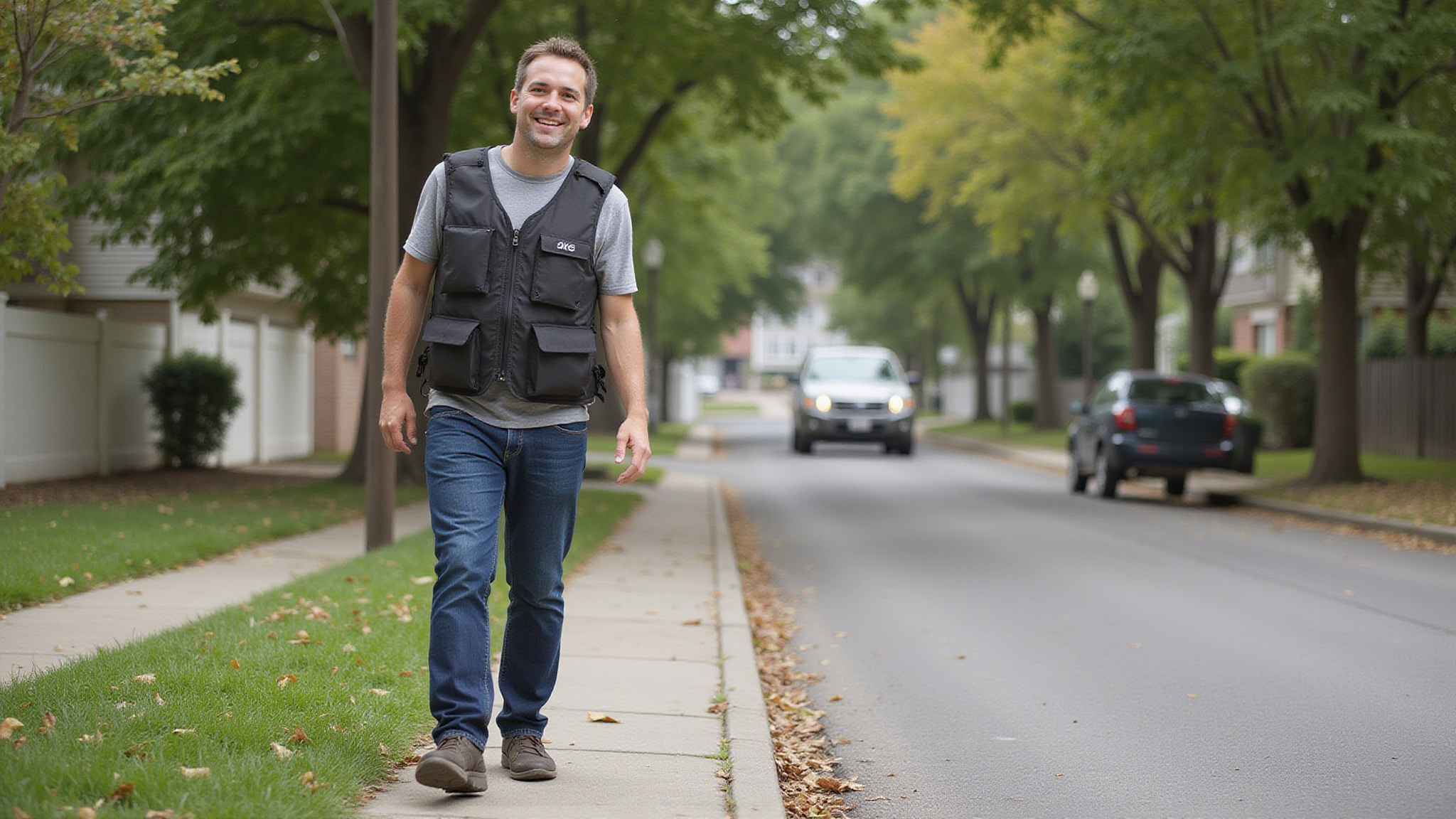
Weighted vest walking is walking while wearing a snug vest that holds weight close to your torso as you cover your usual route. That added mass makes your muscles work harder and raises energy expenditure, though the extra calorie burn is modest. In one small report, a 10-pound vest added about 15 kcal per hour compared with unweighted walking. Clinical sources generally suggest starting near 5% of your body weight and staying within roughly 5%, 10%. Think of it as an optional exercise modifier, not a proven standalone method. Research hasn’t established that vest walking alone improves bone density, and heavier loads don’t guarantee greater benefit. They can, however, strain your joints and throw off your balance.
What the fitness and health benefits are
A weighted vest makes your legs, hips, and core work harder to move and stabilize the extra load, which can support strength and endurance beyond what unweighted walking provides. You’ll also burn more energy, though the gain is modest: in one small report, a 10-pound vest raised expenditure by about 0.25 kcal per minute, roughly 15 kcal per hour.
Bone benefits are less certain. Studies combining vests with structured exercise found improvements in bone density and physical performance, but walking alone hasn’t been shown to protect bone. A 2025 trial of 150 older adults found daily vest use didn’t prevent hip bone loss during weight loss. Treat the vest as an optional modifier, not a standalone solution.
How added weight changes calorie burn and intensity
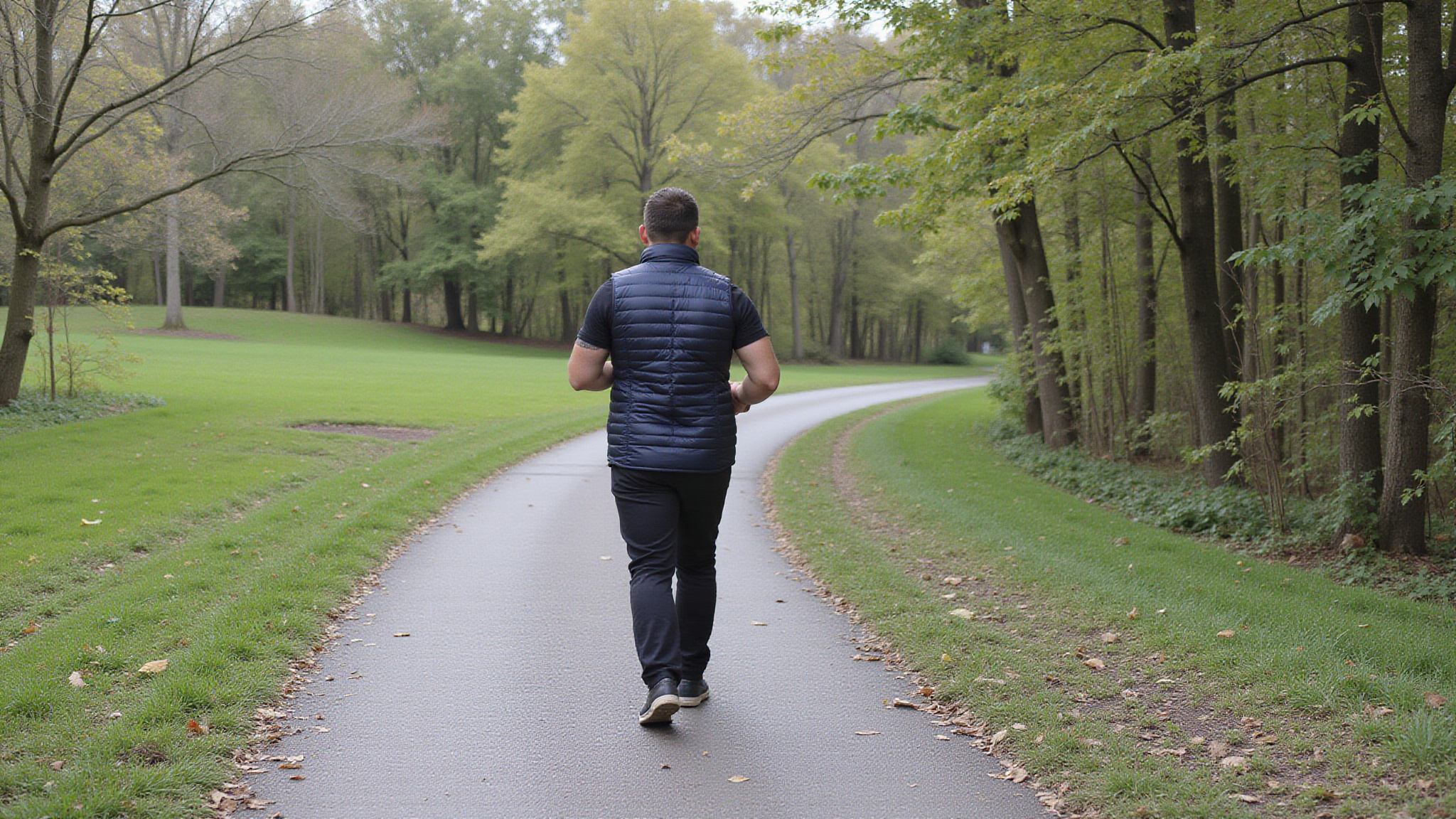
Added weight raises both calorie burn and exercise intensity, though the calorie increase is modest. Your muscles generate more force to move the added load with every step, which raises exercise demand and can build strength and endurance beyond what unweighted walking provides. In one small report, a 10-pound vest increased calorie burn by about 0.25 kcal per minute, roughly 15 kcal per hour, compared with walking without a vest. That’s a modest gain, so treat vest walking as an optional intensity modifier rather than a standalone strategy for substantial calorie loss. More weight doesn’t necessarily mean more benefit. Heavier loads add strain on your joints and spine and can affect your balance. Increase intensity gradually, and stop or lighten the load if discomfort develops.
How to choose the right vest weight
Choose a light vest, starting at about 5% of your body weight, as UCLA Health suggests. If you weigh 150 pounds, you’d start near 7.5 pounds. A heavier vest raises strain on your joints and spine without guaranteeing greater benefit. Another clinical source cites 5%, 10% as a general range and warns that heavier loads may raise injury risk.
Treat these percentages as broad guidance, not a personal prescription. Your comfort, health history, and walking experience should shape your choice. If you have back, neck, or spinal problems, arthritis in your hips, knees, or ankles, prior injuries, or balance concerns, consult a clinician first.
Fit matters as much as load. Choose a secure vest that stays stable as you walk, since a loose one can shift.
How weighted vest walking compares to regular walking and rucking
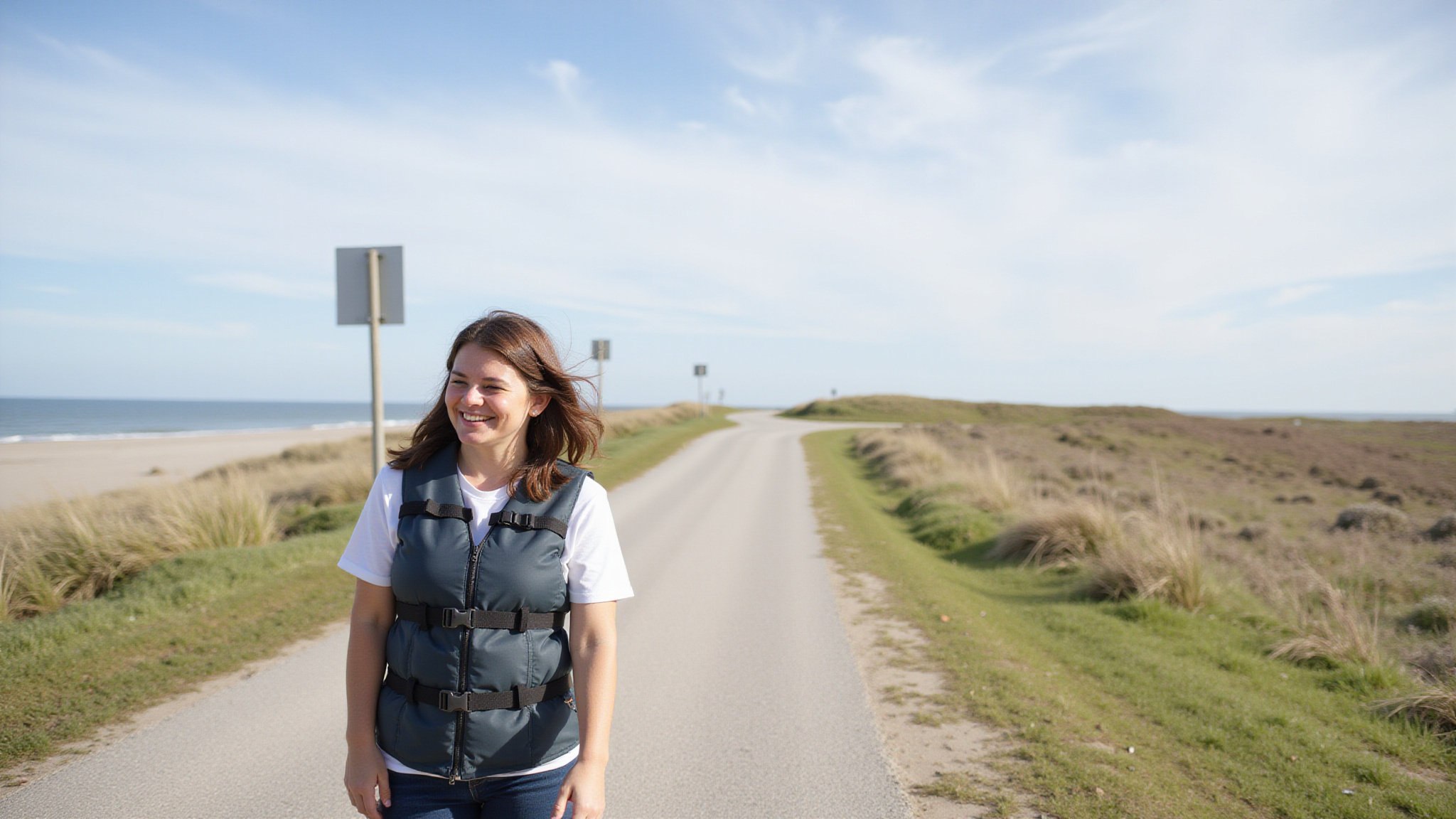
Weighted vest walking burns only modestly more energy than regular walking, and it differs from rucking mainly in where the load sits. In one small report, a 10-pound vest added about 0.25 kcal per minute, roughly 15 kcal per hour, over unweighted walking. Rucking places similar load in a backpack, and a vest spreads it around your torso. Either way, extra weight raises strain.
| Factor | Weighted vest walking vs. regular walking |
|---|---|
| Energy use | Modestly higher, about 15 kcal/hour with 10 pounds |
| Muscular effort | Greater, supporting strength and endurance |
| Bone density | Unproven benefit from vest walking alone |
| Joint and balance risk | Higher, especially with arthritis or spinal problems |
Treat the vest as an optional modifier, not a calorie-burning or bone-building solution. Build a consistent unweighted routine first, then add load gradually and cautiously.
How to start safely and progress gradually
Start safely by building a consistent unweighted walking routine that develops your baseline strength and endurance, then add a light vest and increase gradually. If you have back, neck, or spinal problems, hip, knee, or ankle arthritis, prior injuries, or balance concerns, get medical guidance first.
Start light. UCLA Health suggests about 5% of your body weight, so a 150-pound walker would use roughly 7.5 pounds. Treat that figure as broad guidance rather than a personal prescription. Choose a secure, breathable vest that stays stable as you move. For your first weighted walk, cover less than half your usual unweighted route or duration.
Progress one variable at a time: time, distance, intensity, or load. Don’t increase several at once. If discomfort develops, stop or reduce the weight, and seek medical advice for persistent pain.
How Steppa tracks your weighted walks toward cash goals
Steppa counts your weighted walks as walks and logs them alongside your regular sessions as you work toward your cash goals.
Keep your progress realistic. A 10-pound vest may add only about 15 kcal per hour, so treat the vest as an effort modifier, not a shortcut.
Let your logged history guide progression. Compare weighted sessions with your usual unweighted walks, and keep your first vest walk under half your normal duration or distance.
Change one variable at a time: time, distance, intensity, or vest weight. Consistency beats heavier loads.
Don’t let a cash goal push you past discomfort. If pain, balance problems, or joint strain develop, reduce the load or stop walking, and seek medical advice for persistent or worsening symptoms.
Conclusion
Weighted vest walking is a simple way to make a familiar walk work a little harder, adding effort for your legs, hips, and core by carrying the load snug against your torso. Just keep your expectations grounded: the calorie bump is modest (around 15 kcal per hour with a 10-pound vest), and vest walking on its own hasn’t been shown to build bone, so think of it as an optional intensity modifier rather than a shortcut or a bone-health fix. The safe path is also the most effective one: build a steady unweighted routine first, start light at roughly 5% of your body weight in a secure vest that won’t shift, keep that first weighted walk under half your usual distance, and then progress just one variable at a time. Listen to your body and stop or lighten the load if anything hurts, and if you have back, neck, spine, joint, or balance concerns, check with a clinician before you begin. Add the vest thoughtfully and build gradually, and it becomes a smart, sustainable way to get more from every step.
Turn Your Weighted Walks Into Rewards
Whether you walk light or add a weighted vest, every step counts toward your daily goal. Play Steppa verifies your steps through Apple Health and rewards your consistency with real cash from the challenge prize pool. Download on the App Store today and start earning while you walk.
Frequently Asked Questions
Should People With Back, Neck, or Spinal Problems Avoid Weighted Vest Walking?
You shouldn’t start weighted vest walking without medical guidance if you’ve got back, neck, or spinal problems, because added load can make these conditions riskier. If your clinician clears you, begin with a light vest, around 5% of your body weight, and walk less than half your usual unweighted distance. Choose a secure, stable fit. Stop or reduce the load if discomfort develops, and seek medical advice for persistent pain.
Can Wearing a Weighted Vest Worsen Hip, Knee, or Ankle Arthritis?
Yes, it can. A weighted vest adds load that your hip, knee, and ankle joints must absorb with every step, and that extra strain may worsen arthritis symptoms. If you have joint arthritis, talk with your clinician before you start. If you get approval, begin light, around 5% of your body weight, and keep your first walk under half your usual distance. Don’t push through joint pain; stop promptly and reassess.
Does Weighted Vest Walking Alone Prevent Bone Loss in Older Adults?
No, you can’t count on vest walking alone to prevent bone loss. A 2025 randomized trial of 150 older adults with obesity found daily vest use didn’t stop hip bone loss during 12 months of weight loss. A small study showed leg bone-density gains, but participants combined vests with light exercise. If you’re concerned about bone health, ask your clinician about structured, progressively loaded exercise instead of relying on vests.
Is It Safe to Wear a Weighted Vest While Running or Jogging?
Running with a weighted vest isn’t well established as safe, so treat walking as the lower-speed starting point. Added weight can affect your balance in faster activities that require greater coordination. If you’ve got back, neck, joint, or balance problems, talk with your clinician first. Master vest walking at about 5% of your body weight, progress gradually, use a secure fit so it won’t shift, and stop if discomfort develops.
What Vest Features Help Keep It Stable and Comfortable During Walks?
Choose a secure, well-fitting vest that stays stable while you walk, since a loose vest can shift during movement, add strain, or affect your balance. Pick breathable material; it’ll improve comfort. Start with a light load, around 5% of your body weight, and you’ll help reduce injury risk. If the vest shifts or discomfort develops, stop or lighten the load, and get medical advice if pain doesn’t ease.