

Yes, walking helps you lose weight, but the effect’s modest. Research shows you’ll drop about 1.27 kg on average without changing your diet, roughly a pound every 10 weeks. To see real results, you’ll want to walk frequently, keep it up over months, and pair it with calorie control. Aim for 250, 300 minutes weekly, and brisk walking beats casual strolls. Want to know exactly how much walking moves the needle? Keep going.
Key Takeaways
- Walking alone produces modest weight loss, averaging about 1.27 kg without dietary changes, roughly 0.05 kg per week.
- Pairing walking with calorie control strengthens results, reducing fat mass more than dieting alone.
- Aim for 250, 300 minutes weekly (35, 45 minutes daily), which outperforms lower volumes for measurable change.
- Brisk, sustained walking reduces body weight, BMI, waist circumference, and visceral fat, especially in obese adults under 50.
- Consistency over weeks and months matters more than intensity, since energy deficit drives fat loss regardless of activity type.
Does walking actually help you lose weight
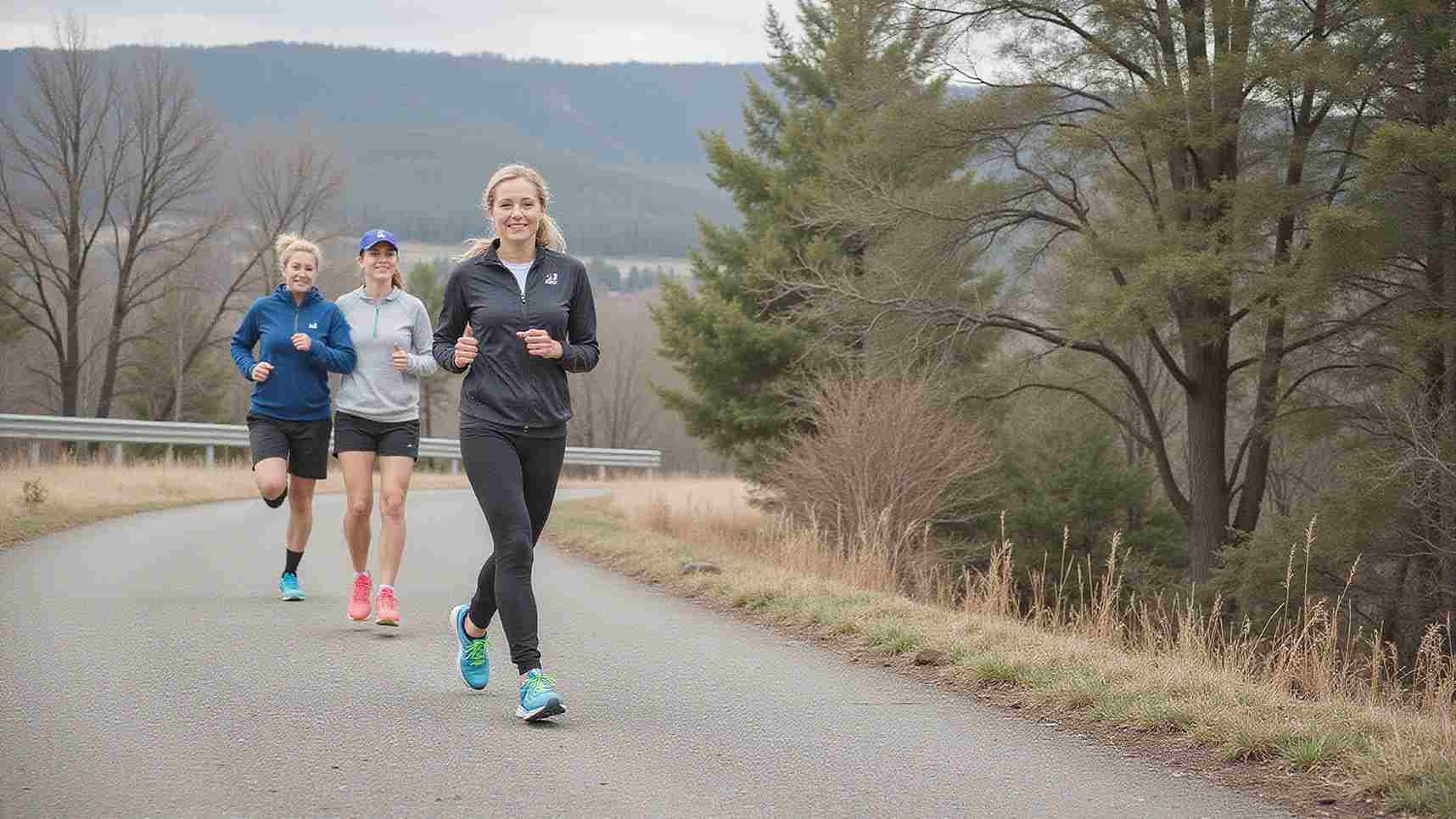
Yes, walking helps you lose weight, but the effect is usually modest. The research points to small average losses, around 1.27 kg across trials without diet changes, or roughly 0.05 kg per week. That’s about 1 pound every 10 weeks.
Walking exercise weight loss works best when it’s frequent, sustained, and paired with calorie control. Brisk walking has been linked to meaningful reductions in body weight, BMI, waist circumference, and fat mass, especially in obese adults under 50.
Your walking for weight loss results improve with consistency over weeks and months rather than short-term effort. Casual daily steps matter less than hitting enough total weekly volume, roughly 250 to 300 minutes, to create a real deficit.
What the clinical research says about walking and weight loss
Walking supports weight loss, with important caveats. The meta-analyses show consistent numbers: walking programs without diet changes produce average losses of about 1.27 kg, or roughly 0.05 kg per week. That’s about 1 pound every 10 weeks, modest, but real. The research says yes:
- Brisk walking produces clinically meaningful drops in body weight, BMI, and waist circumference in obese adults under 50.
- Fat loss often exceeds scale changes, reducing total, abdominal, and visceral fat.
- Consistency over weeks to months beats short-term efforts every time.
- Diet pairing amplifies results, cutting more fat mass than diet alone.
The evidence points clearly toward regular, sustained walking rather than occasional strolls if you want measurable change.
Why walking works best as part of a calorie deficit
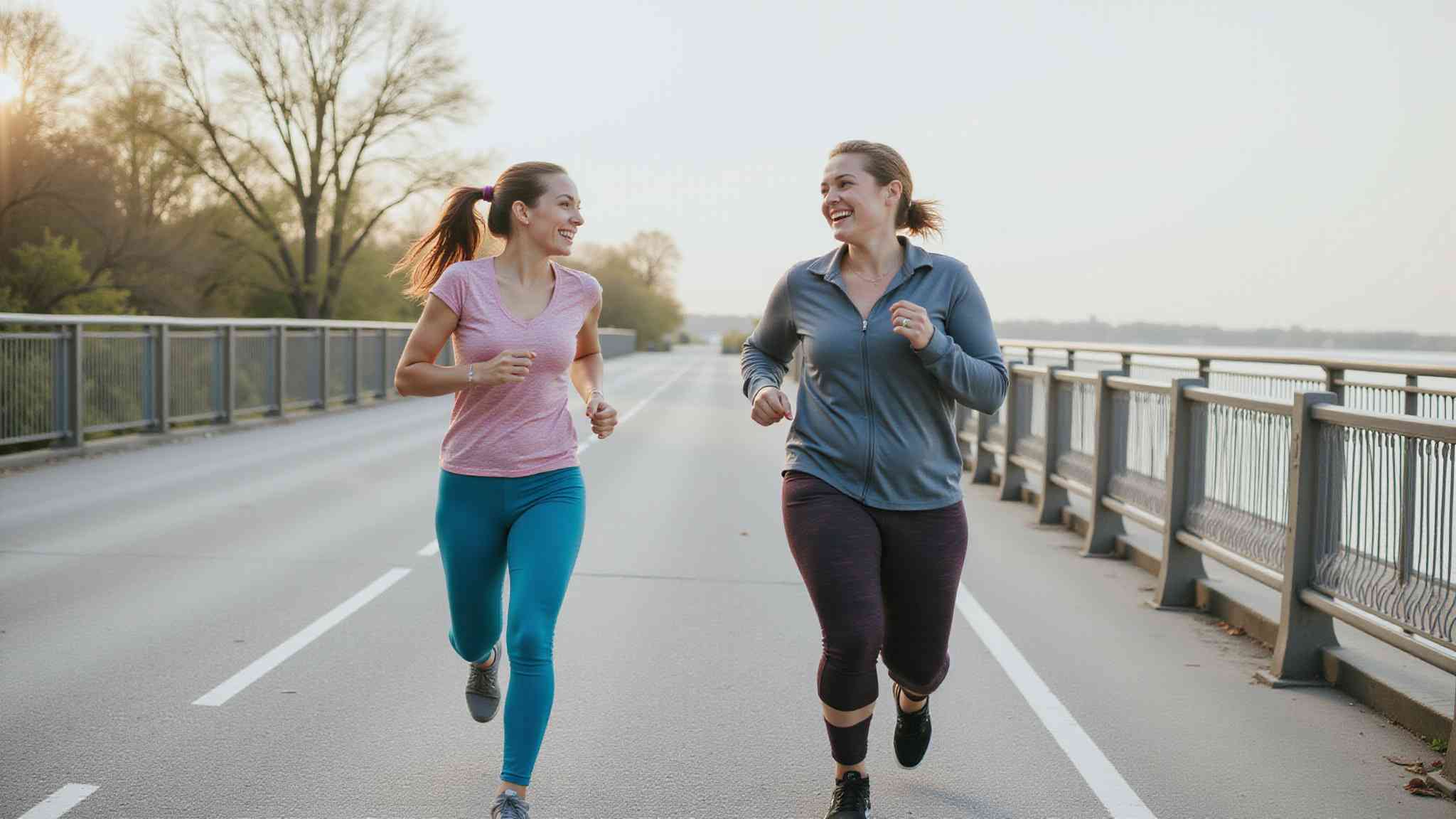
Walking works best as part of a calorie deficit because it helps you tip your energy balance into a deficit. On its own, walking produces modest results, averaging around 1.27 kg of loss without dietary changes. But when you pair it with calorie control, the effects strengthen. In one randomized trial, adding walking to an energy-restricted diet reduced fat mass more than diet alone. Walking increases your energy expenditure, which makes it easier to create and sustain that deficit day after day. Visceral fat tends to decline whenever you’re in negative energy balance, regardless of how you get there. So don’t rely on walking alone to move the scale. Use it to support your calorie deficit, and you’ll see more measurable, lasting changes in body composition.
How much walking makes a measurable difference
Walking 250, 300 minutes per week, or roughly 35, 45 minutes daily, makes a measurable difference for weight reduction. The research points to volume over casual effort. A review found that this amount works better than 150, 200 minutes. Consistency matters just as much as duration.
Here’s what the evidence suggests:
- Aim for 250, 300 minutes weekly, about 35, 45 minutes most days
- Add steps gradually. An extra 1,800 above 7,000 daily cut visceral fat by 22.7% over a year
- Walk briskly, since faster pacing boosts energy expenditure and fat loss
- Split it up. Two shorter daily bouts beat one longer walk in a 24-week trial
Bigger effects come from more total weekly volume, sustained over months.
How walking compares to other forms of exercise for weight loss
Walking compares favorably to other forms of exercise for weight loss because the deciding factor isn’t the type of exercise, it’s the energy deficit you create. Visceral fat declines with negative energy balance regardless of how you produce it, so walking competes when your total volume and intensity are sufficient. Faster paces raise energy expenditure, and consistent weekly volume matters more than the activity’s label.
| Factor | Walking | Vigorous Exercise |
|---|---|---|
| Impact on joints | Low | Higher |
| Adherence | Easier to sustain | Often harder |
| Calorie burn per minute | Lower | Higher |
| Fat-loss driver | Energy deficit | Energy deficit |
You’ll see the biggest differences in calorie burn per minute, but walking closes that gap through longer, more sustainable sessions and better long-term adherence.
Why the best exercise for weight loss is the one you actually do
Adherence matters more than the “perfect” workout because consistency drives results. The research repeatedly shows that walking done regularly over weeks to months outperforms occasional, higher-intensity efforts you can’t sustain. An exercise you’ll actually repeat beats a demanding one you abandon.
The workout you’ll repeat beats the perfect one you abandon, consistency, not intensity, is what truly drives lasting results.
Walking wins on adherence for several reasons:
- It’s low-impact, so it’s accessible even if you can’t tolerate vigorous exercise.
- Faster walking hits meaningful weekly targets without requiring intense effort.
- You can split it into two shorter daily bouts, which improved weight, BMI, and waist reductions in a 24-week program.
- It fits into daily routines, supporting the sustained volume that fat loss demands.
Choose the activity you’ll keep doing. Sustained brisk walking, paired with calorie control, delivers real, lasting results.
How Steppa turns walking into a habit that sticks
Steppa turns walking into a habit that sticks by making consistency, not intensity, the core of how it works. The research is clear: longer programs and regular walking beat occasional, low-volume effort. So Steppa focuses on helping you show up daily, not chase perfect workouts.
You’ll get realistic targets that build over time, like moving past 7000 steps toward the extra 1800 that’s been linked with meaningful visceral and subcutaneous fat loss. Steppa nudges you toward the 250 to 300 weekly minutes research favors, and lets you split walks into two shorter bouts, which outperformed single longer sessions in one 24-week trial.
Make Walking Part of Your Weight-Loss Routine
Walking can be a practical way to increase daily activity and support weight management. PlaySteppa makes it easier to stay consistent by turning your steps into trackable challenges and goals.
Download Steppa and make your next walk part of the routine.
Frequently Asked Questions
Is Walking on a Treadmill as Effective as Walking Outdoors?
Both treadmill and outdoor walking can contribute to weight management. The energy you use depends more on factors such as walking speed, duration, incline, and body weight than whether you are indoors or outside. Outdoor terrain can naturally introduce hills and uneven surfaces, while a treadmill allows you to control speed and incline. Choose the setting that makes it easier for you to walk consistently.
Can Walking Help Reduce Belly Fat Specifically?
Walking can contribute to an overall reduction in body fat, including abdominal fat, when it increases energy expenditure and supports a sustained calorie deficit. However, you cannot specifically target belly fat through walking alone. Where your body loses fat first varies between individuals. Combining regular walking with a balanced diet and, when appropriate, resistance training can support overall fat loss and help maintain muscle.
What Time of Day Is Best for Weight-Loss Walking?
There is no universally best time of day for walking to lose weight. The most important factors are how much activity you accumulate and whether you can maintain the routine consistently. Morning, afternoon, and evening walks can all contribute to your activity level. Choose a time that fits your schedule and makes regular walking easier to maintain.
Should I Walk on an Empty Stomach to Burn More Fat?
Walking on an empty stomach does not guarantee greater overall fat loss. Exercising while fasted may temporarily change which fuel sources your body uses during the activity, but long-term weight loss is influenced primarily by overall energy balance. If you feel better eating before a walk, there is no need to avoid food simply to try to burn more fat.
Can Walking Cause Muscle Loss During Weight Loss?
Walking alone is not usually a major cause of muscle loss, but losing weight through a calorie deficit can reduce both fat and lean mass. Eating enough protein and including resistance training can help preserve muscle while losing body fat. Gradually increasing walking rather than dramatically restricting calories can also make a weight-loss plan easier to maintain.