

Neither option wins outright. A 55-study review of 1,005 adults found you’ll burn similar energy on a treadmill and walking outside when speed and duration match. Terrain changes that, though. Oxygen consumption ran about 9% higher on tarmac and 18% higher on grass than on a level treadmill. Treadmills give you controlled, repeatable intervals, while outdoor routes add variety and greenspace benefits. Your goals and consistency decide the better fit, and the details below show why.
Key Takeaways
- Neither treadmill nor outdoor walking is better overall; both burn similar calories when speed and duration are matched.
- Outdoor terrain can raise effort, with oxygen consumption about 9% higher on tarmac and 18% higher on grass.
- Treadmills offer a predictable surface and controlled speed and incline, ideal for repeatable intervals and bad weather.
- Both settings lift mood, but outdoor walking adds nature exposure, linked to lower heart rate, lower blood pressure, and greater energy.
- The best choice depends on your goals and lifestyle, since consistency matters more than setting.
Is treadmill or outdoor walking better
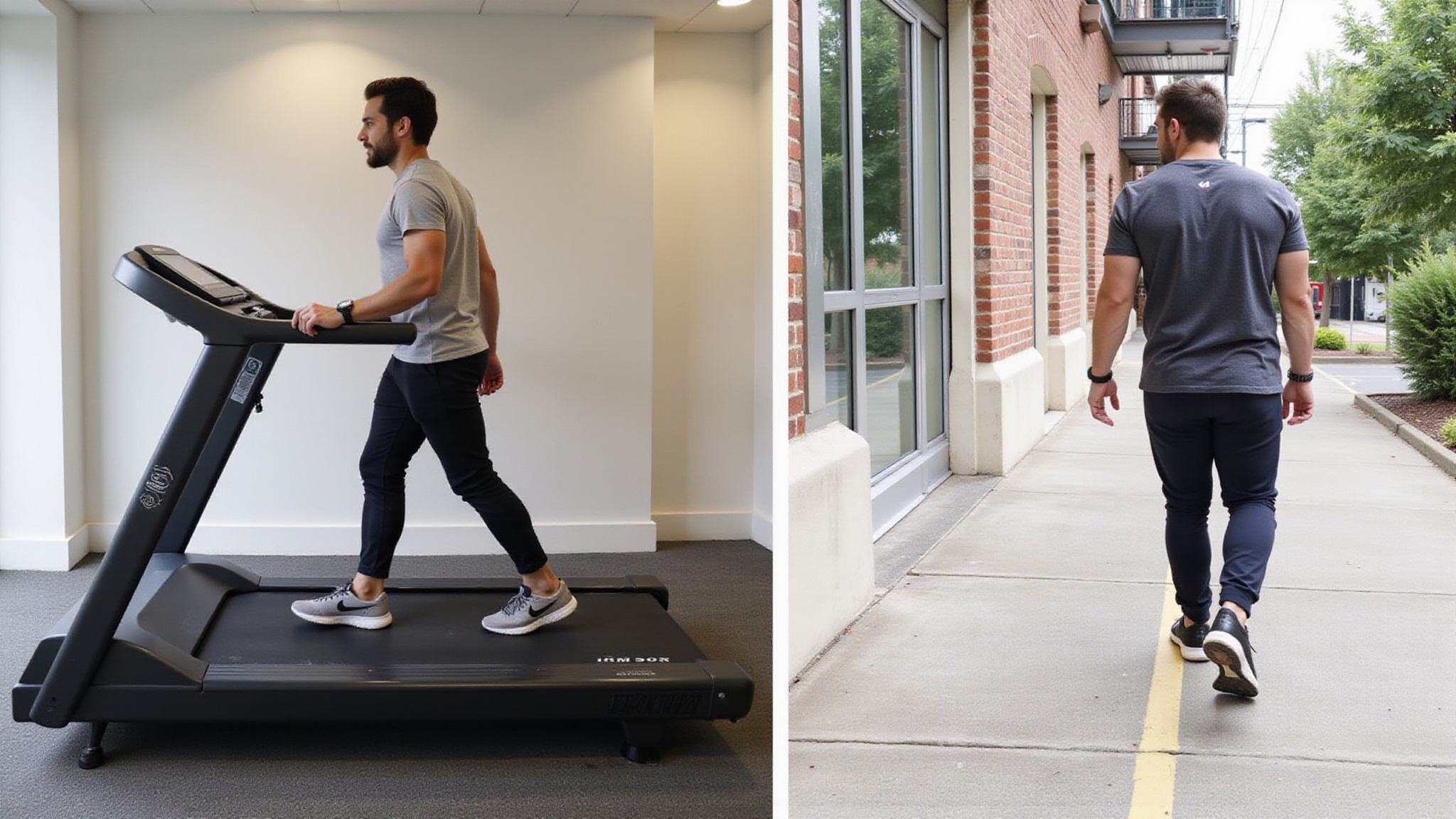
Neither treadmill nor outdoor walking is better outright. A 55-study review of 1,005 adults found similar absolute oxygen consumption and energy expenditure when speed and duration were matched. Relative oxygen consumption ran slightly higher on treadmills. Outdoor terrain can shift the balance. One study measured oxygen consumption about 9% higher on tarmac and 18% higher on grass than on a level treadmill.
Your goal should guide the choice. A treadmill gives you controlled speed, adjustable incline, and repeatable intervals. Outdoor routes add variable grades, changing surfaces, and natural surroundings, which research links with mood benefits. For cardiovascular fitness, pace, duration, frequency, and consistency matter more than location. So pick the setting you’ll use safely and regularly, since sustained activity drives results more than the surface beneath you.
How calorie burn compares between the two
When you match speed and duration, treadmill and outdoor walking produce similar energy expenditure. A 55-study review of 1,005 adults found comparable absolute oxygen consumption and energy expenditure, though relative oxygen consumption ran slightly higher on treadmills.
Terrain changes the math. One study measured oxygen consumption about 9% higher on tarmac and 18% higher on grass than on a level treadmill. A separate field study found grass walking averaged roughly 6% above treadmill walking, with larger gaps at faster speeds.
Grade, surface, wind, pace, and incline all shift your burn, so treat calorie estimates as approximate. If you want more energy expenditure, increase your total walking time and effort rather than relying on the setting.
How terrain, weather, and joint impact differ
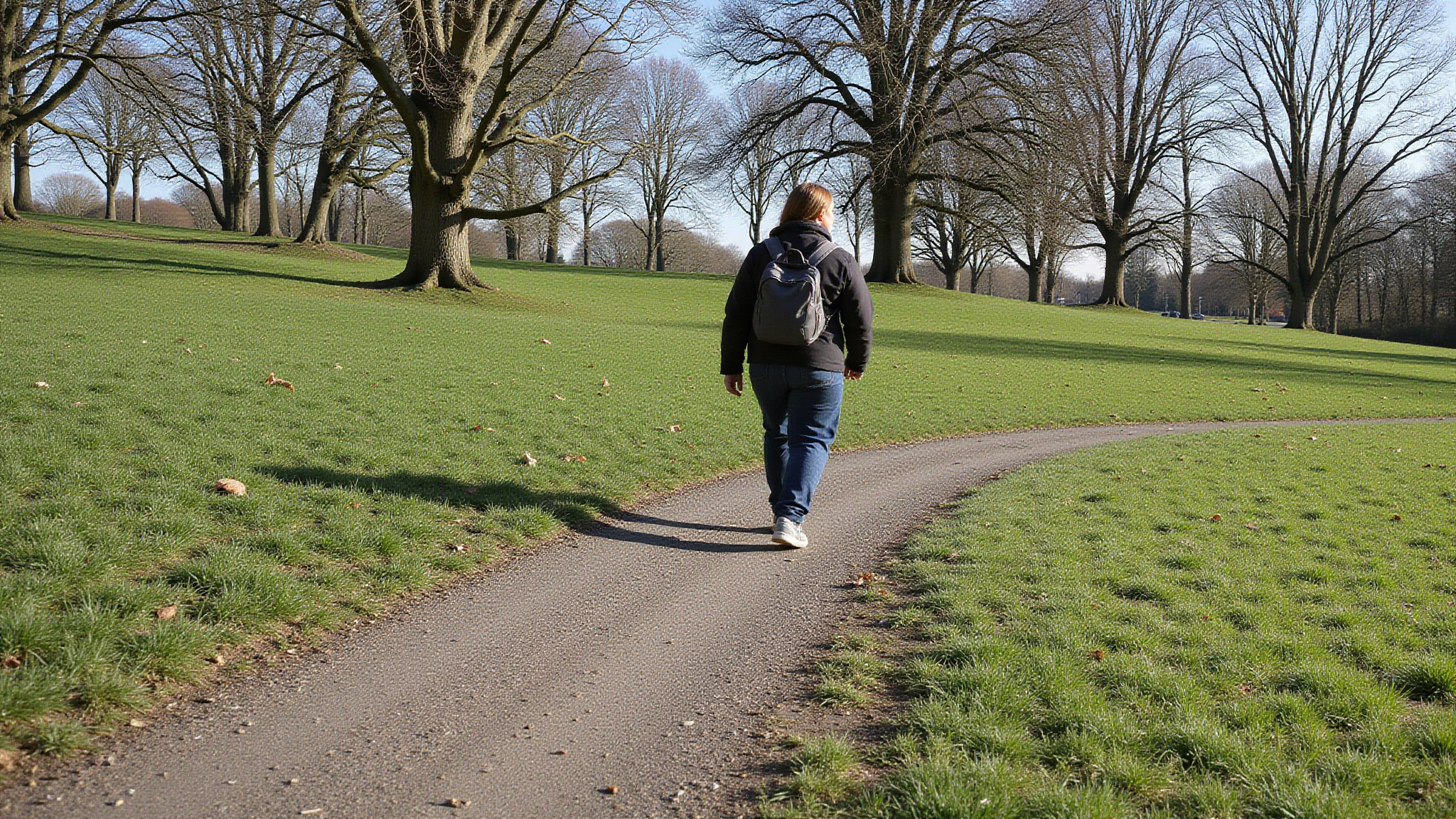
Outdoor walking adds terrain and weather variables that a level treadmill belt removes, and those conditions change the way you move. Pooled research shows treadmill walking produces slightly higher cadence and shorter stride and step lengths than overground walking, even at matched speeds. Outdoors, these variables include:
Even at matched speeds, treadmill walking produces slightly higher cadence and shorter strides than walking overground on real terrain.
- Grass and uneven footing require continual balance and movement adjustments.
- Changing gradients shift demand from block to block, while wind alters effort.
- Traffic, weather, and route conditions require attention to footing and safety.
Indoors, you get a predictable, consistent surface and controlled environment, and incline settings add measurable uphill work without a hill route. Matching treadmill speed to outdoor pace won’t guarantee identical effort, so judge sessions by duration and perceived exertion. Bad weather won’t cancel your session.
How mental health benefits compare
Outdoor walking and treadmill walking both lift your mood, but outdoor walking adds exposure to natural surroundings that a treadmill session can’t fully reproduce. A systematic review of 143 studies linked greenspace exposure with lower heart rate and blood pressure, among other health measures, though the included studies varied in design. Research comparing natural outdoor and simulated indoor settings found participants reported greater post-walk energy outdoors, yet both settings produced mood benefits.
Daylight is another variable, but you can’t assume it’s equivalent across walks. Season, location, and time outdoors determine your exposure. Still, the evidence doesn’t prove every outdoor walk beats every treadmill session for every person. If an indoor walk keeps you walking consistently through bad weather or darkness, it still meaningfully supports your mental health.
How treadmill and outdoor walking compare overall
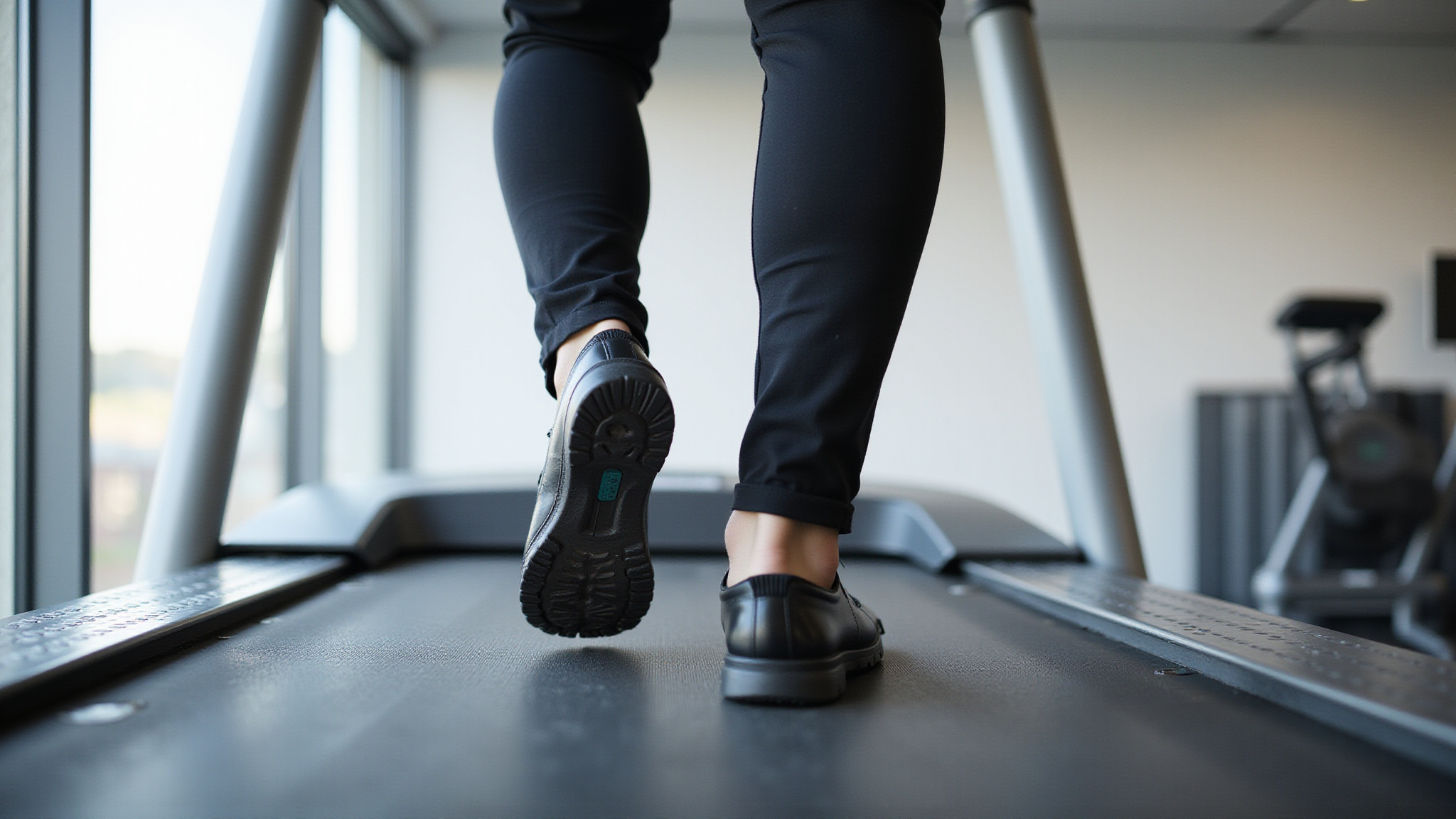
Treadmill and outdoor walking produce similar energy expenditure when speed and duration are matched, so neither setting is categorically better. A 55-study review of 1,005 adults found comparable absolute oxygen consumption, though terrain shifts outdoor demand.
| Factor | Treadmill | Outdoors |
|---|---|---|
| Effort | Controlled speed, adjustable incline | ~9% higher on tarmac, 18% on grass |
| Gait | Higher cadence, shorter strides | Variable footing demands balance |
| Wellbeing | Mood benefits | Greater post-walk energy, greenspace exposure |
| Access | Weather-proof, needs equipment | Needs a safe, suitable route |
Choose the treadmill when you want repeatable intervals; choose outdoors for variety and natural surroundings. To compare sessions fairly, match duration and perceived effort, and raise treadmill incline if your outdoor route includes hills. Your consistency, safety, and enjoyment ultimately determine which setting delivers better long-term results.
Why the best option depends on your goals and lifestyle
The best option depends on your goals and lifestyle because the research shows no categorical winner, so your goals and daily constraints should decide which setting you use. Energy expenditure is similar when you match speed and duration, so adherence, not location, drives most outcomes.
No setting wins outright: match speed and duration, and energy expenditure evens out, so consistency matters more than location.
- If you’re training for structured intervals, a treadmill lets you set exact speed and incline and repeat sessions precisely.
- If you want variety and natural surroundings, outdoor routes add changing grades, uneven footing, and greenspace exposure linked with lower heart rate and blood pressure.
- If weather, darkness, or traffic disrupt your schedule, an indoor treadmill keeps your routine predictable and safe.
Access matters: you’ll need equipment or a gym for a treadmill and a suitable route outdoors. Choose the setting you’ll realistically use most often, because consistency determines results.
How Steppa rewards your steps no matter where you walk
Steppa rewards the steps you take rather than the setting you take them in, because treadmill and outdoor walking produce similar energy expenditure at matched speed and duration. A 55-study review of 1,005 adults found similar absolute oxygen consumption and energy expenditure across both conditions, so a setting-neutral reward model fits the evidence.
You can log a structured incline session indoors when weather, daylight, or route conditions limit you. You can also walk outside on grass or tarmac, where oxygen consumption can run 9% to 18% higher than on a level treadmill. Either way, your steps count.
This design removes a false trade-off. Choose the safe, accessible setting that suits your goals, and let consistency, the strongest driver of walking benefits, accumulate rewards across every session.
Conclusion
When it comes to treadmill versus walking outside, the honest answer is that neither wins outright, and that’s actually good news. Match your speed and duration and you’ll burn similar energy either way, so the “better” choice is really the one that fits your goals and keeps you moving. Reach for the treadmill when you want controlled speed, adjustable incline, repeatable intervals, and a routine that survives bad weather and dark evenings. Head outdoors when you want the extra effort of real terrain (oxygen use runs roughly 9% higher on tarmac and 18% on grass), the variety of changing routes, and the mood and greenspace benefits that come with being in nature. Even better, you don’t have to pick just one, blending both gives you structure and variety in the same week. In the end, consistency beats setting every time, so choose what’s safe, accessible, and enjoyable for you, and let the steps add up wherever you take them.
Every Step Counts, Treadmill or Outdoor
Treadmill steps, outdoor walks, and weighted vest sessions all count the same toward your daily goal. Play Steppa verifies every step through Apple Health and rewards consistency with real cash from the challenge prize pool. Download on the App Store today.
Frequently Asked Questions
What Treadmill Incline Best Mimics Walking Outside on Flat Ground?
There isn’t one fixed number that works for everyone. One study found you’d use about 9% more oxygen on tarmac and 18% more on grass than on a level treadmill, so a 0% incline likely underestimates outdoor effort. Start with a slight incline, then adjust until your perceived effort matches your outdoor pace. Wind, surface, and pace still shift the comparison, so you’re approximating, not replicating.
Should Beginners Start Walking on a Treadmill or Outdoors?
Start wherever you’ll walk consistently; neither setting is clearly better for beginners. A treadmill gives you controlled speed, adjustable incline, and a predictable surface, so you can track progress and reproduce sessions. Outdoors, you’ll face varied terrain; grass can raise energy use 6, 18% above treadmills, and you’ll gain greenspace exposure linked with mood benefits. If weather, traffic, or footing concerns you, begin indoors, then add outdoor routes as confidence builds.
Can I Combine Treadmill and Outdoor Walks in the Same Weekly Routine?
Yes, you can combine both, and there’s no reason not to. Since pooled research shows similar absolute energy expenditure when you match speed and duration, you’re not sacrificing calorie burn. Use treadmill sessions for repeatable intervals and controlled incline. Use outdoor walks for variable terrain, which can raise oxygen consumption up to 18% on grass. Match duration and perceived effort across settings, and you’ll maintain consistent weekly volume.
What Shoes Work Best for Treadmill Walking Versus Outdoor Walking?
You can reason from the surface differences: a level treadmill gives you consistent footing, while grass and varied routes demand balance adjustments and raise oxygen cost up to 18%. You’ll likely want a comfortable walking shoe indoors and more traction outdoors. Match fit and comfort to your pace, incline, and outdoor footing and weather, and a specialist fitting can help if you have any pain.
How Do I Stay Motivated During Long Treadmill Walking Sessions?
Break long sessions into structured segments so they don’t feel monotonous. Because treadmills let you control speed and incline precisely, you can program repeatable intervals: alternate brisk and moderate segments, or add incline blocks to simulate hills. Track duration and perceived effort to measure progress across sessions. Consistency drives aerobic benefits more than setting does, so choose a format you’ll enjoy repeating. If boredom persists, you can swap some sessions outdoors for route variety.