

Aim for 8,000 to 10,000 steps a day to lose belly fat, paired with a calorie deficit. If you’re starting out inactive, even 6,500+ steps can improve your visceral-fat and cholesterol markers. Remember, you can’t spot-reduce your midsection, walking lowers fat systemically, and your belly shrinks as part of that. Each extra 1,000 steps links to roughly 1.34% weight loss. Consistency matters more than intensity, and there’s more you’ll want to know below.
Key Takeaways
- Aim for 8,000, 10,000 steps daily, a range repeatedly linked with better weight-control and body-composition outcomes.
- If inactive, even 6,500+ steps can improve visceral-fat and cholesterol markers, while below 7,500 risks greater abdominal fat.
- Walking cannot spot-reduce belly fat; the midsection shrinks only as part of systemic, whole-body fat loss.
- Each extra 1,000 steps is associated with roughly 1.34% weight loss and measurable drops in abdominal fat.
- Steps work best paired with calorie control and consistency, since sustained activity beats occasional high-step bursts.
How many steps a day help lose belly fat
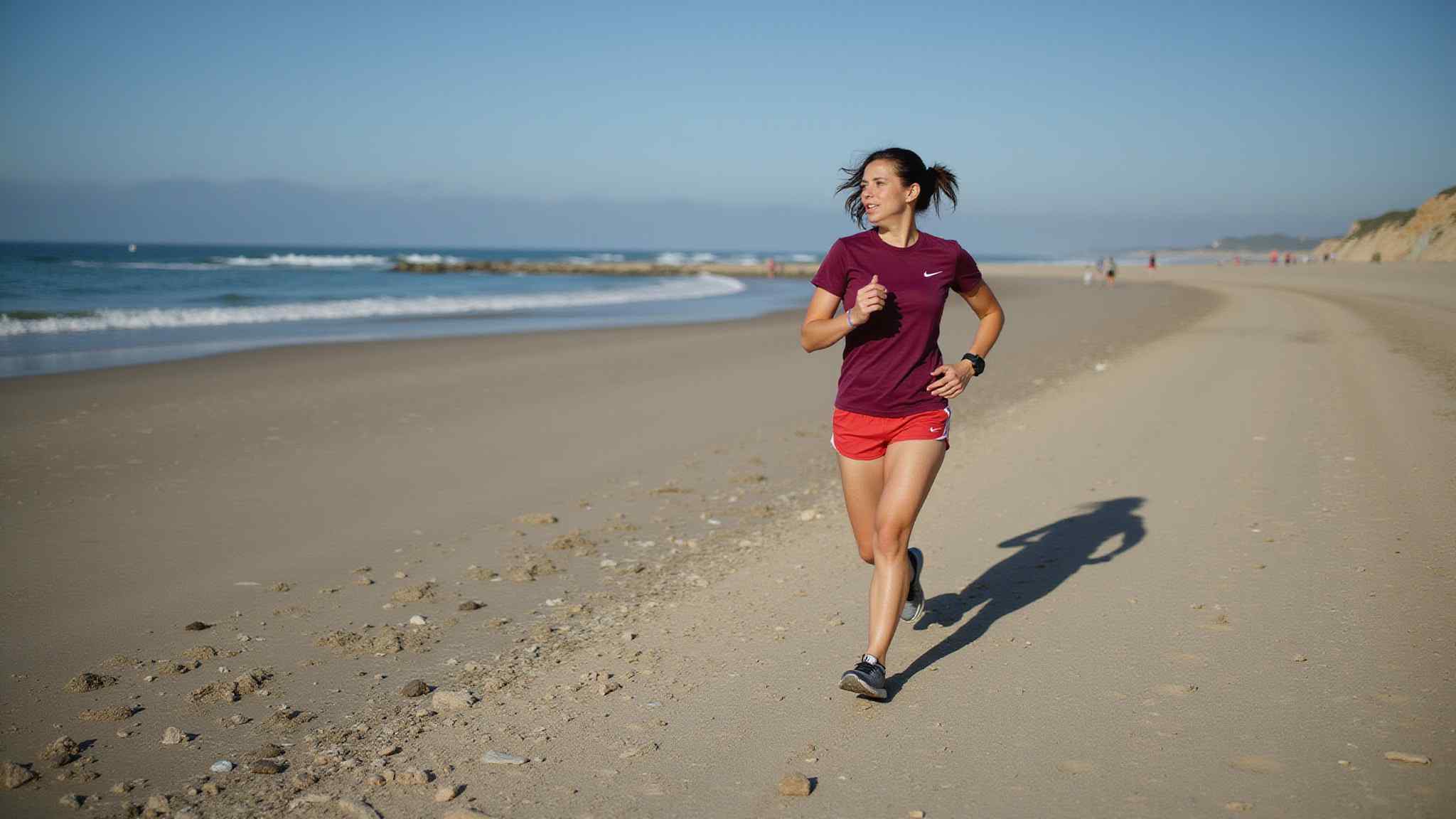
Aim for a daily target of 8,000 to 10,000 steps to lose belly fat. If you’re currently inactive, simply reaching 6,500+ steps can improve visceral-fat-related health markers like cholesterol. More steps generally helps: studies show each additional 1,000 steps links to lower abdominal fat, smaller waist measurements, and reduced visceral adipose tissue. Falling below about 7,500 steps, though, is associated with greater intra-abdominal fat accumulation. Keep in mind that walking to lose belly fat produces gradual, modest results. Walking for belly fat works best when you stay consistent over time rather than chasing one perfect, high-step day here and there.
Why you can’t spot-reduce belly fat with walking alone
Walking alone can’t spot-reduce belly fat because fat loss happens systemically, not in targeted areas. Walking burns calories and helps reduce fat throughout your body, but it can’t specifically target the fat around your midsection. Counting steps to lose belly fat lowers your overall body fat, and your abdomen shrinks as part of that process, not because walking singles it out.
You can’t target belly fat directly, walking shrinks your midsection only by lowering fat everywhere.
Here’s what actually drives abdominal fat reduction:
- Sustained step increases, since rising step trends beat short bursts for lasting results.
- Calorie control through diet, because the strongest outcomes pair walking with dietary changes.
- Consistency over time, as one-year trajectories link steady activity to greater weight loss.
- Broader lifestyle habits, which amplify the modest fat loss walking produces alone.
You can’t spot-reduce, but you can strategically lower total adiposity.
How walking creates the calorie deficit that reduces overall fat
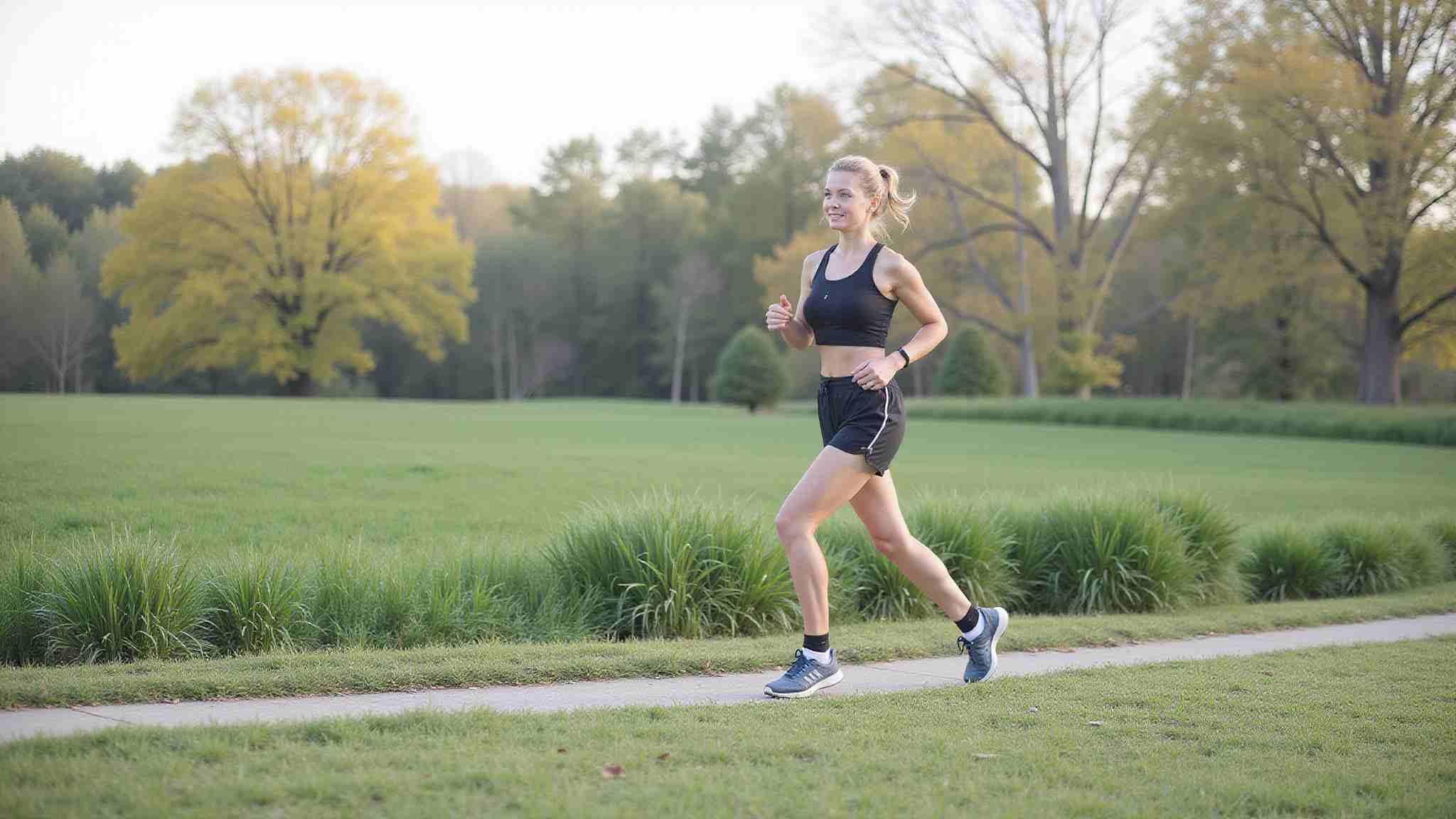
Walking creates a calorie deficit by burning calories, and when you consistently burn more than you eat, your body draws on stored fat to cover the gap. That fat comes from everywhere, including your abdomen, which is why higher daily step counts correlate with lower visceral and abdominal fat over time.
Each additional 1,000 steps adds a small but measurable calorie burn. On their own, those steps produce only modest weight loss, but they widen your deficit when paired with calorie control. That’s why the evidence consistently shows steps work best alongside dietary changes. You’re not spot-reducing anything; you’re steadily lowering total fat, and belly fat follows.
What step ranges the research supports for fat loss
The research supports aiming for 8,000 to 10,000 steps a day. Here’s what the evidence supports:
- 8,000, 10,000 steps a day is the sweet spot repeatedly linked with better weight-control and body-composition outcomes.
- 6,500+ steps a day can already improve visceral-fat and cholesterol markers if you’re currently inactive.
- Each extra 1,000 steps is associated with roughly 1.34% weight loss during structured programs, plus measurable drops in abdominal fat.
- Below 7,500 steps, especially in women, ties to greater intra-abdominal fat accumulation.
Keep in mind returns diminish at very high counts, so you don’t need to chase huge numbers. You need consistency within this evidence-backed range.
How steps interact with diet and stress
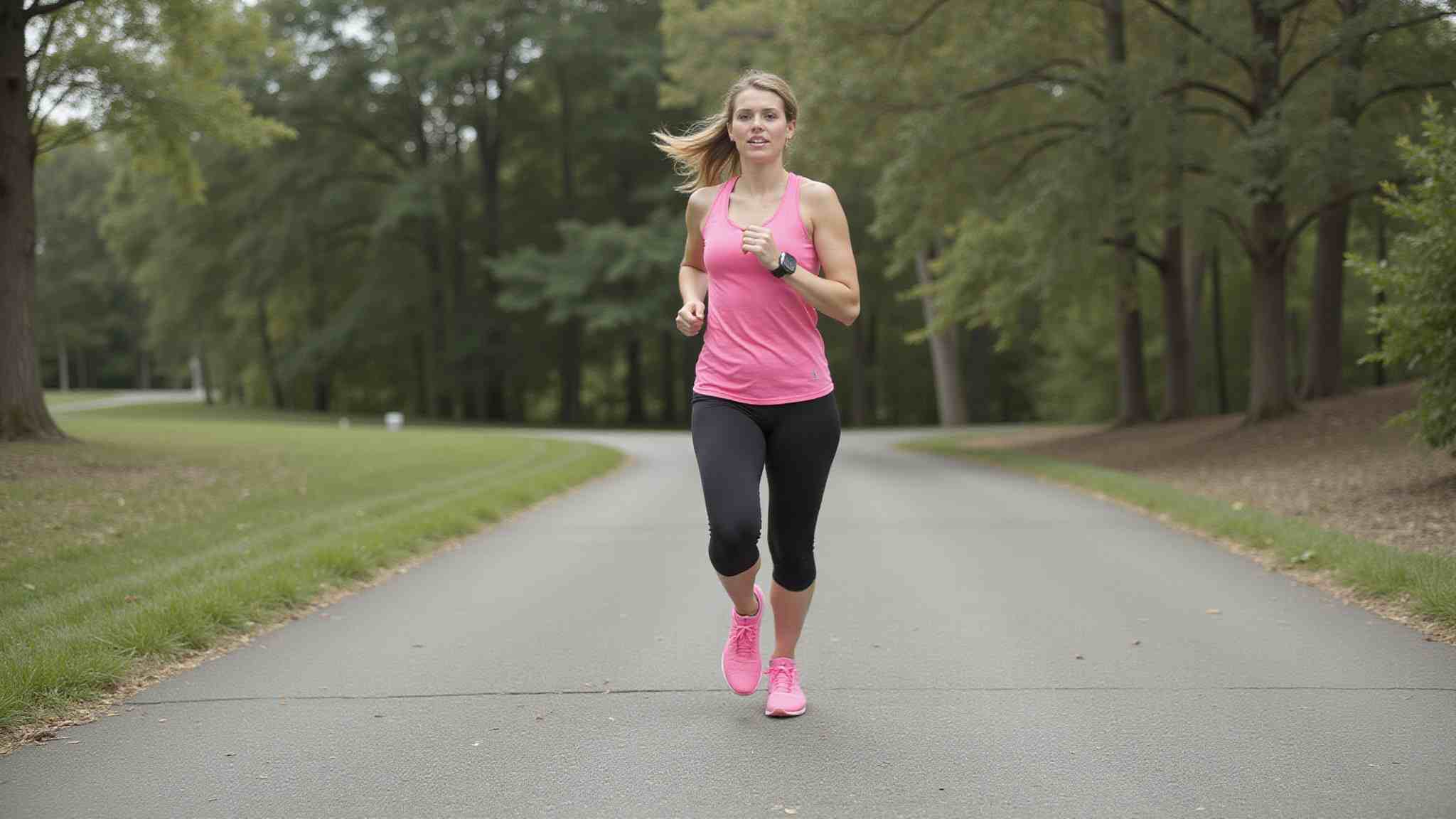
Steps interact with diet and stress by working best when combined rather than used alone. The research is clear: walking-only interventions produce modest results, while programs combining steps with calorie control deliver stronger fat loss. In one review, participants averaging 8,241 steps lost 3.28% of body weight, but that came alongside dietary changes, not walking alone.
| Approach | Typical Result | What Drives It |
|---|---|---|
| Steps only | Modest (~1.27 kg) | Extra calorie burn |
| Steps + diet | 4.4% initial loss | Calorie deficit |
| Sustained increases | Best 3%+ loss | Consistency |
| Steps + lifestyle | Strongest outcomes | Combined behaviors |
Stress matters too, since it disrupts eating and sleep. So don’t rely on steps in isolation. Pair consistent walking with calorie awareness for lasting belly-fat reduction.
Why consistency beats intensity for sustainable results
Consistency beats intensity because how consistently you walk matters more than how hard you push on any single day for belly-fat loss. Research tracking step patterns over a year shows that sustained increases, not occasional bursts, drive the greatest odds of meaningful weight loss. Flat or declining trends don’t deliver the same results.
Steady steps win. Sustained increases, not occasional bursts, drive the greatest odds of meaningful belly-fat loss.
Here’s what consistency gives you:
- Higher odds of achieving at least 3% weight loss when your step trend rises steadily
- Measurable abdominal-fat reductions from each extra 1,000 steps you add and maintain
- Better visceral-fat markers once you regularly clear roughly 6,500 steps per day
- Lasting habits that survive busy weeks, unlike one perfect high-intensity day
Focus on showing up daily. Small, repeated efforts outperform dramatic, unsustainable pushes every time.
How Steppa’s daily challenges keep you moving toward your goal
Steppa’s daily challenges keep you moving toward your goal by turning that “show up every day” principle into small, achievable targets you can actually hit. Instead of fixating on a single perfect 10,000-step day, you’ll build the sustained increases the research links to the best outcomes. Each challenge nudges you a little higher than yesterday, an extra 1,000 steps here, a longer walk there, because those incremental gains produce measurable improvements in weight and abdominal fat over time.
You’ll see your progress toward the evidence-backed 8,000 to 10,000 step range without feeling overwhelmed. When you’re starting low, early challenges help you clear 6,500+ steps, where visceral-fat markers begin improving. The point isn’t one heroic effort; it’s stacking consistent days. Steppa keeps that momentum going, so rising trends become your new normal.
Turn More Steps Into a Daily Habit
You cannot target belly fat with steps alone, but increasing your daily activity can support overall fat loss and weight management. PlaySteppa turns walking into trackable challenges, making it easier to stay consistent with the activity that supports your goals.
Download Steppa and turn your next walk into a challenge.
Frequently Asked Questions
How Long Does It Take to See Belly Fat Results?
There is no fixed timeline for losing belly fat. Changes in waist circumference and body fat depend on your overall calorie balance, activity level, diet, genetics, and how much fat you need to lose. Regular walking can contribute to gradual fat loss, but visible changes may take weeks or months. Track progress over time rather than expecting a specific result by a particular date.
Does Walking Speed or Pace Affect Belly Fat Loss?
Walking faster increases the amount of energy you use during a given period, which can support overall weight loss when combined with an appropriate calorie balance. However, there is no specific walking pace proven to selectively burn belly fat. Choose a pace that is challenging but sustainable, and gradually increase your activity as your fitness improves.
Can I Lose Belly Fat by Walking Indoors or on Treadmills?
Yes. Indoor and treadmill walking can contribute to overall fat loss just like outdoor walking. What matters is the amount and intensity of physical activity you accumulate, along with your overall energy balance. You cannot specifically target belly fat through treadmill walking, but consistent activity can help reduce total body fat over time.
Is Walking Better Than Running for Reducing Visceral Fat?
Neither is universally better. Running generally burns more calories per minute because it requires greater intensity, while walking can be easier to perform regularly and sustain over longer periods. Both can contribute to reducing overall body fat and improving health. Choose the activity that fits your fitness level and that you can maintain consistently.
What Time of Day Is Best for Fat-Burning Walks?
There is no proven time of day that specifically makes walking burn more belly fat. Morning, afternoon, and evening walks can all contribute to your daily activity. The most useful time is the one that fits your schedule and helps you maintain a consistent routine. Your overall activity level and energy balance matter more than the hour you choose to walk.