

Yes, walking is good exercise. When you walk briskly, you’re doing moderate-intensity aerobic activity that counts toward the WHO’s 150, 300 weekly minutes. A meta-analysis of 17 cohort studies (226,889 people) linked each extra 1,000 daily steps to a 15% lower all-cause mortality risk. Each added 500 steps tracked with a 7% lower cardiovascular mortality risk. You’ll see the biggest gains moving from inactivity to some walking. Below, you’ll find how many steps move the needle.
Key Takeaways
- Brisk walking counts as moderate-intensity aerobic exercise, contributing toward the WHO-recommended 150, 300 minutes of weekly moderate activity.
- A meta-analysis of 226,889 people linked each additional 1,000 daily steps with a 15% lower all-cause mortality risk.
- Each additional 500 daily steps was associated with a 7% lower risk of cardiovascular death.
- Benefits plateau around 6,000, 8,000 steps daily for adults over 60 and 8,000, 10,000 steps for younger adults.
- The largest relative gains come from moving from inactivity to some walking, though these observational findings show association, not causation.
Is walking good exercise
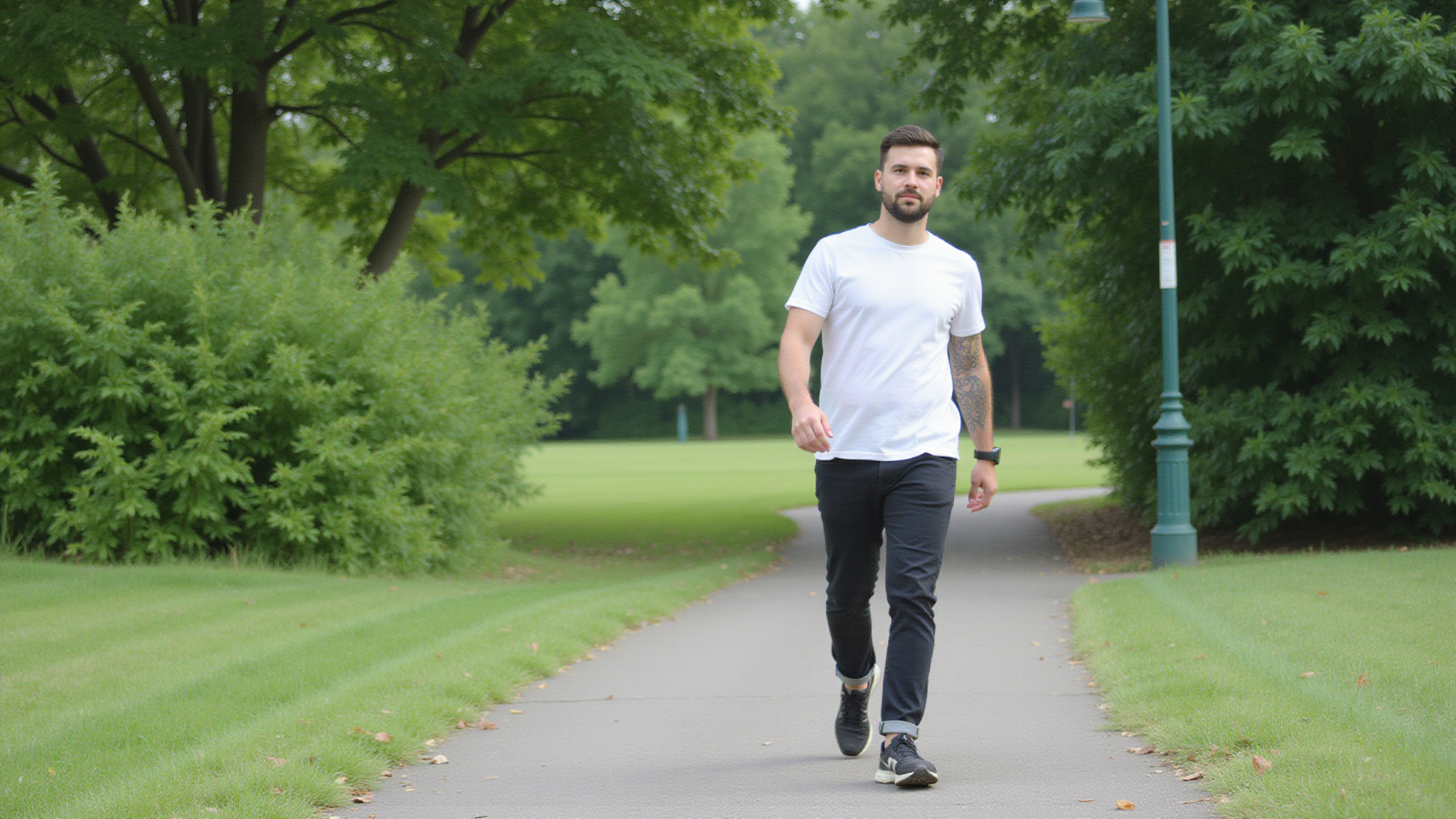
Yes, walking is good exercise. Brisk walking qualifies as moderate-intensity aerobic activity, so it counts toward the 150, 300 minutes of weekly moderate activity that the WHO recommends for adults. Walking for transport, leisure, and daily tasks also adds to your total. If you reach 300 minutes weekly, you may gain additional health benefits. Step-count research supports this: a meta-analysis of 17 cohort studies (226,889 people) linked each additional 1,000 daily steps with a 15% lower all-cause mortality risk. You don’t need 10,000 steps, either. Benefits appear below that mark, and the largest relative gains occur when you move from inactivity to some activity. These findings are observational, so they show associations rather than proving that walking alone caused them.
What the research says about walking and health outcomes
Research consistently links more daily walking to lower mortality, though the size of the effect varies across studies and age groups. A meta-analysis of 17 cohort studies (226,889 participants) found that each additional 1,000 daily steps was associated with a 15% lower all-cause mortality risk. Each additional 500 steps was associated with a 7% lower cardiovascular mortality risk.
Your age shapes where benefits plateau. If you’re 60 or older, risk declines up to roughly 6,000, 8,000 steps daily. If you’re younger, reductions continue to about 8,000, 10,000 steps.
You don’t need 10,000 steps to benefit. The largest relative gains appear when you move from inactivity to some walking. Remember, though, that these findings come from observational studies. They show associations, not proof of causation.
How walking affects cardiovascular fitness, weight, and mood

Brisk walking supports your heart as moderate-intensity aerobic activity, and observational research links more daily steps with lower cardiovascular morbidity and mortality. In one meta-analysis, each additional 500 steps per day was associated with a 7% lower cardiovascular mortality risk. Another found groups averaging about 9,500 daily steps had a 35% lower cardiovascular-event risk than groups averaging about 3,500.
These data come mainly from cohort studies, so they show associations, not proof that walking alone caused the differences. Health status and lifestyle can shape results.
The evidence summarized here centers on cardiovascular outcomes. It doesn’t quantify walking’s specific effects on weight or mood. For heart health, you’ll get a guideline-based target by aiming for 150, 300 weekly minutes of brisk walking.
How much walking makes a measurable health difference
Each additional 1,000 daily steps makes a measurable difference, so you don’t need 10,000 steps to see a benefit. A meta-analysis of 17 cohort studies (226,889 participants) linked each additional 1,000 daily steps to a 15% lower all-cause mortality risk, and each additional 500 steps to a 7% lower cardiovascular mortality risk. If you’re 60 or older, risk keeps falling up to about 6,000, 8,000 steps. If you’re younger, it keeps falling up to about 8,000, 10,000.
Your largest relative gains come from moving off a low baseline. 2.5 hours of brisk walking weekly corresponds to an 11% lower mortality risk versus no walking. For guideline-based targets, aim for 150, 300 minutes of moderate activity weekly.
Keep the limits in mind: these are observational associations, and effect sizes vary across populations and measurement methods, so treat targets as guides.
How walking compares to running and gym workouts
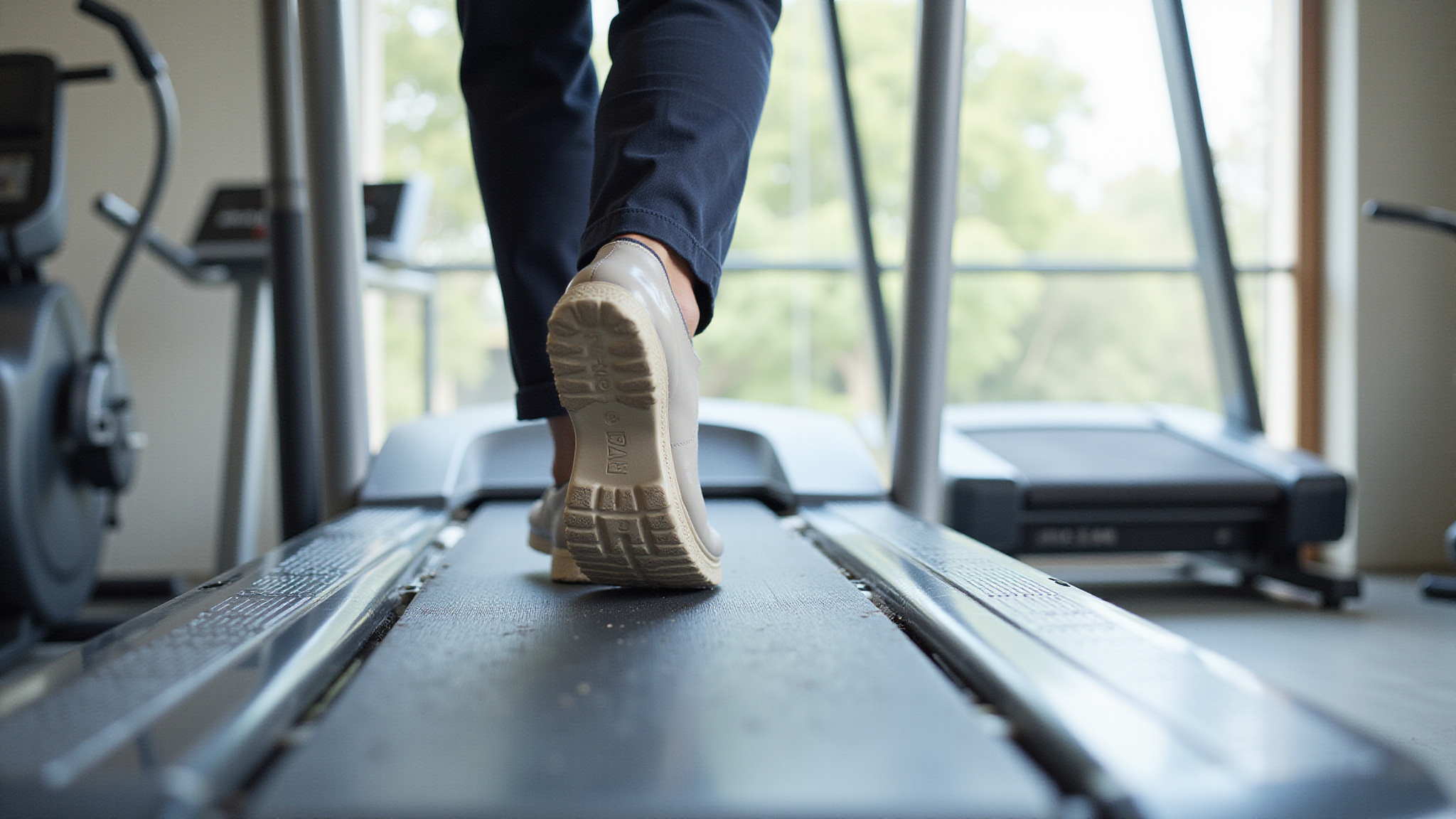
Walking reaches the same weekly target as running and higher-intensity gym sessions, according to the WHO, which treats them as interchangeable routes that differ mainly in time cost. Brisk walking counts as moderate-intensity activity, and running and hard gym intervals typically count as vigorous, so you’d need roughly twice as many walking minutes to match them.
| Activity type | WHO weekly target |
|---|---|
| Moderate (brisk walking) | 150, 300 minutes |
| Vigorous (running, intense sessions) | 75, 150 minutes |
| Combination | Equivalent mix of both |
You don’t have to choose one. The WHO accepts any equivalent combination, so you can mix walks with runs or gym workouts. If you’re currently inactive, walking may deliver your largest relative gains, since mortality benefits appear steepest at the lowest activity levels, before speed or intensity matter.
Why walking is the most underrated form of exercise
Walking is underrated because its health benefits start well below 10,000 steps a day, the number often treated as the minimum for meaningful exercise.
A systematic review found that each additional 1,000 daily steps was associated with lower mortality risk, even among people with low activity levels. A 2024 umbrella review identified a protective threshold around 3,000 steps per day. You don’t need a gym, equipment, or high intensity to benefit.
The largest relative gains come from starting. One meta-analysis linked 2.5 hours of brisk walking weekly to an 11% lower mortality risk compared with no walking. That’s the 150-minute weekly minimum guidelines recommend. These findings are observational, so they show associations, not causation, but they support increasing your activity from low levels.
How Steppa makes walking more motivating with cash prizes
Steppa makes walking more motivating by turning your daily steps into a chance at cash prizes, adding a concrete incentive to an activity whose benefits build with consistency.
Consistency matters. In one meta-analysis of 226,889 people, each additional 1,000 daily steps was associated with a 15% lower risk of all-cause mortality. You don’t need to hit 10,000 steps to see gains. Risk reductions appear below that mark, and the largest relative benefits occur when you move from low activity levels.
A prize incentive gives you a reason to take that next walk on days when long-term health outcomes feel abstract.
These findings are observational associations, not proof that steps alone cause benefits. Pair your step count with the guideline target of 150, 300 weekly minutes of moderate activity.
Conclusion
The science gives a clear verdict: walking is genuinely good exercise. Done briskly, it counts as moderate-intensity aerobic activity toward the WHO’s 150, 300 weekly minutes, and the step-count research is striking, each additional 1,000 daily steps is linked to a 15% lower all-cause mortality risk, with cardiovascular benefits tracking alongside. The most encouraging part is that you don’t need to chase 10,000 steps or a gym membership to benefit: the biggest relative gains come simply from moving from inactivity to some walking, and even a protective threshold around 3,000 steps a day shows up in the data. Walking also reaches the same health targets as running and hard gym sessions, just over more minutes, so you can mix and match whatever you enjoy. Keep in mind these are observational associations rather than proof, and treat the step targets as flexible guides, then aim for roughly 150, 300 brisk minutes a week. Build the habit, stay consistent, and this simple, free, accessible activity becomes one of the most effective things you can do for your long-term health.
Turn Every Step Into Real Rewards
Walking is one of the simplest, most effective ways to stay healthy, and the right motivation keeps you moving every day. Play Steppa helps you stay active through fun step challenges with real cash rewards and bank-level payment security. Download Play Steppa on the App Store today and start earning while you walk.
Frequently Asked Questions
Is It Better to Walk All at Once or in Shorter Sessions?
Both approaches work, and your totals are what matter most. Walking for transport, leisure, and daily tasks all counts toward the 150, 300 weekly minutes of moderate activity. Each additional 1,000 daily steps is associated with an estimated 15% lower all-cause mortality, so you’ll likely benefit from accumulating steps however you fit them in, whether that’s one longer walk or several shorter ones.
Does Walking on a Treadmill Offer the Same Benefits as Outdoors?
Brisk treadmill walking still counts as moderate-intensity aerobic activity toward your 150, 300 weekly minutes. Your steps also count: meta-analyses link each additional 1,000 daily steps with a 15% lower all-cause mortality risk. These findings come mainly from observational studies, so no single setting is proven superior. The main thing is to match your pace to brisk intensity consistently, wherever you walk.
What Walking Pace Counts as Brisk for Most Adults?
Brisk walking is classified as moderate-intensity aerobic activity. You’re generally walking briskly when your breathing and heart rate rise noticeably, yet you can still talk. Commonly cited benchmarks are about 3 mph or roughly 100 steps per minute. At that intensity, you’d meet guidelines with 150, 300 weekly minutes, and you’ll gain additional benefits as you approach 300 minutes.
Can Walking Help Reduce Lower Back or Joint Pain?
Brisk walking counts as moderate-intensity aerobic activity, and each additional 1,000 daily steps you take is associated with roughly 15% lower all-cause mortality. Those benefits are well documented, though they come from observational studies. Whether walking eases your specific back or joint pain depends on your situation, so if you’ve got persistent pain, ask a clinician how walking fits your goals.
What Shoes Are Best for Regular Fitness Walking?
Generally, you’ll want shoes that fit comfortably and feel stable on your usual surfaces, and a specialist fitting can help if you have pain. What matters most is the walking itself: brisk walking counts as moderate activity, and you’ll gain benefits by building toward 150, 300 weekly minutes or adding 1,000 daily steps.