

A short walk after you eat can blunt your blood sugar spike, and you don’t need a long workout to see results. Research shows post-meal activity lowers glucose excursions more than staying still or exercising before you eat. Even a 10-minute walk right after a meal can cut peak glucose. It may also ease bloating, fullness, and gas. Timing matters more than you’d think, and the details below show how to make each walk count.
Key Takeaways
- Walking after meals blunts blood sugar spikes, with a meta-analysis of eight crossover trials showing reduced glucose excursions compared with staying inactive.
- Even a 10-minute walk immediately after eating can lower peak glucose and overall glucose exposure compared with sitting.
- In people with type 2 diabetes, moderate post-dinner exercise reduced two-hour glucose spikes, peak glucose, and glucose variability.
- Walking after eating lowers glucose spikes more effectively than walking before a meal, and starting soon after eating appears important.
- A short post-meal walk may ease bloating, fullness, belching, gas, and abdominal discomfort, though evidence comes from limited research.
What are the benefits of walking after eating
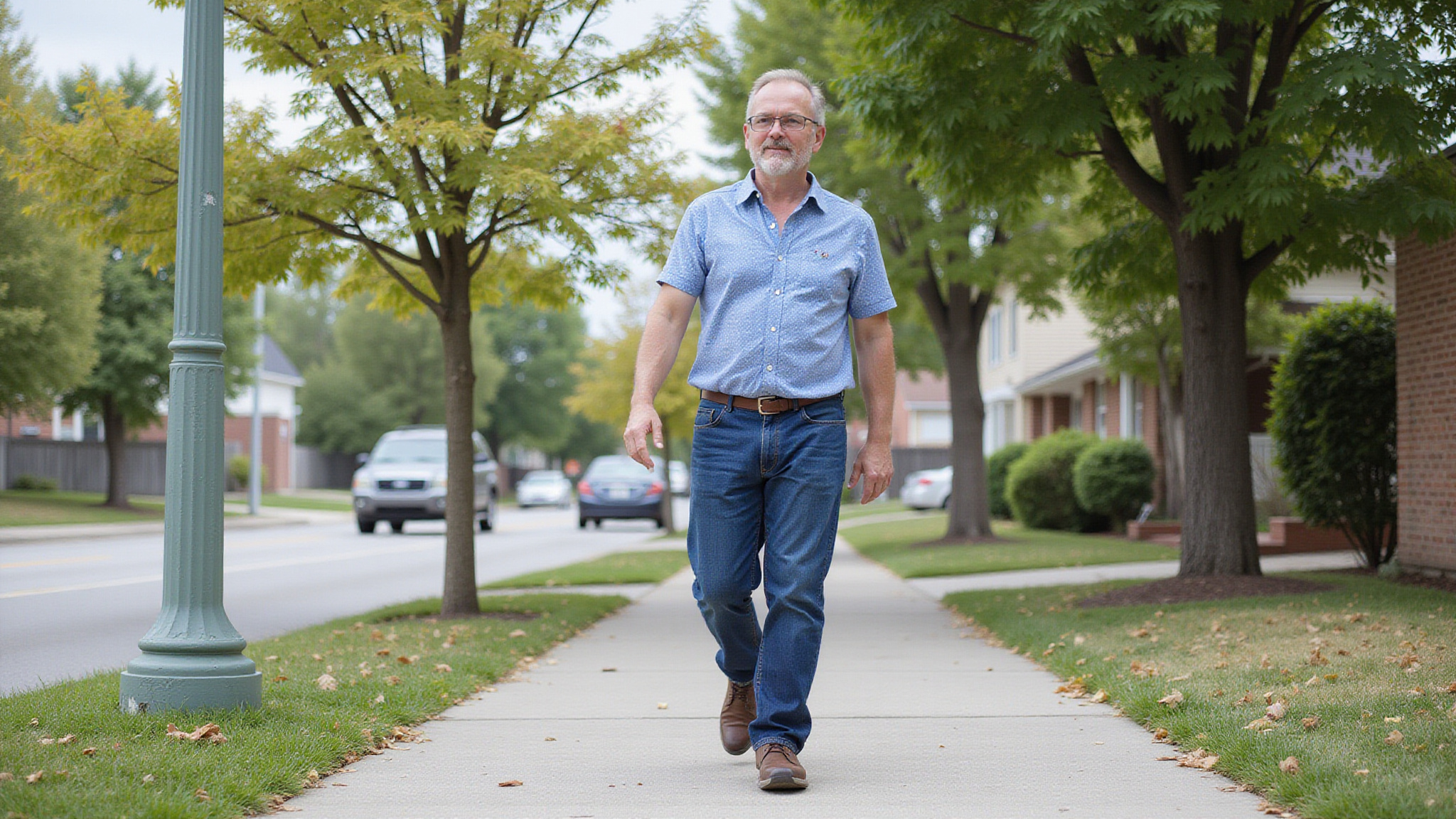
Walking after eating can blunt the rise in blood sugar that follows a meal and may ease bloating, fullness, and gas. A meta-analysis of eight crossover trials found that post-meal exercise reduced glucose excursions compared with staying inactive. It also worked better than exercising before the meal. Even a 10-minute walk right after eating lowered peak glucose in healthy young adults. If you have type 2 diabetes, a small pilot study found that moderate exercise after dinner reduced two-hour glucose spikes and glucose variability. The evidence for less bloating, fullness, and gas comes from a single study. Keep in mind that these trials were small and measured only short-term effects. If you take glucose-lowering medication, ask your clinician for personalized guidance.
How a post-meal walk affects blood sugar
A post-meal walk can lower the glucose spike that usually follows eating. A meta-analysis of eight crossover trials found that post-meal exercise reduced glucose excursions compared with inactivity, and it worked better than exercising before you eat.
Timing matters. In one small trial, a 10-minute walk started right after glucose intake lowered glucose exposure more than sitting or a 30-minute walk begun 30 minutes later.
If you have type 2 diabetes, a pilot study of 29 people found that post-dinner moderate-intensity exercise cut two-hour spikes, peak glucose, mean glucose, and variability.
These results reflect short-term responses in small studies, so your response may differ. If you take glucose-lowering medication, ask your clinician how to safely pair post-meal walks with glucose monitoring.
How it supports digestion and reduces bloating

A short walk after meals may ease bloating and related digestive discomfort. One study found that minimal physical activity after eating improved bloating-related symptoms, with statistically significant results (p < 0.001) when compared with prokinetic medication use. The improvements included:
A short post-meal walk may ease bloating, with one study showing significant symptom relief compared with prokinetic medication.
- Less fullness: You may feel less heavy and stuffed after a meal.
- Less belching and gas: You may notice fewer burps and less trapped gas.
- Less abdominal discomfort: Your stomach may simply feel calmer and more settled.
Keep these findings in perspective. They come from one study on a specific symptom group, so they don’t prove that walking improves your digestion overall. The evidence also doesn’t show that a walk prevents reflux, speeds stomach emptying, or treats digestive disorders.
What the research says about timing and duration
Research suggests that walking soon after you eat may matter most for lowering blood sugar, though no single ideal duration has emerged. In a meta-analysis of eight trials, activity after meals reduced glucose spikes more than activity before meals. One breakfast study found that moving immediately after eating improved glucose measures, while waiting 30 minutes didn’t produce the same benefit. Another small trial showed a 10-minute walk right after glucose intake lowered glucose exposure more than sitting or a 30-minute walk started half an hour later.
Studies used varied protocols, and they mainly measured short-term glucose responses, so you won’t find one ideal duration. For a practical approach, try a gentle walk as soon as you comfortably can after eating. Even a brief 10-minute stroll may help.
How post-meal walking compares to pre-meal walking

Walking after a meal lowers post-meal glucose excursions more than walking before a meal. A meta-analysis of crossover trials found that activity after meals outperformed activity before meals for reducing these spikes.
| Factor | What the Evidence Shows |
|---|---|
| Effect size | Standardized mean difference 0.47 favoring post-meal activity |
| Data pool | 15 effect sizes across eight trials |
| Main limitation | Small studies with high risk of bias |
Why does this happen? When you walk after eating, your working muscles likely pull glucose from your bloodstream just as it’s rising. Walking beforehand doesn’t target that rise. If you’re choosing one time to move, aim for soon after your meal. If you use glucose-lowering medication, ask your clinician how to fit post-meal activity into your routine.
How long and how fast to walk after a meal
Walk for 10 to 30 minutes at a low- to moderate-intensity pace, starting right after you eat. As little as 10 minutes can help. In a small trial, a 10-minute walk immediately after glucose intake lowered peak glucose and overall glucose exposure compared with sitting. Other studies used 30-minute brisk walks, so there’s no single best duration. Pace matters less than you might think. Low- to moderate-intensity movement right after breakfast improved glucose measures, and timing appeared more influential than activity type.
- Head out within minutes of finishing your plate, not half an hour later.
- Walk at a comfortable pace where you can talk but feel slightly warm.
- Extend to 20 or 30 minutes when you’ve got time and energy.
If you have diabetes, take glucose-lowering medication, or have mobility limits, ask your clinician for personalized advice before changing your routine.
How Steppa counts your post-meal walks toward daily challenges
Steppa counts every post-meal walk toward your daily challenge progress automatically, because it tracks your steps throughout the day. You don’t need to log meals or start a special workout. Your after-dinner stroll counts the same as any other steps.
That makes post-meal walks an easy way to close the gap on your daily goal. Try splitting your target across meals with a 10-minute walk right after breakfast, lunch, and dinner. Research suggests walking soon after eating may blunt glucose spikes more than waiting 30 minutes or walking beforehand.
Keep expectations realistic. The evidence mainly shows short-term glucose improvements, not long-term disease prevention. If you have diabetes, take glucose-lowering medication, or notice symptoms during activity, ask your clinician for personalized advice before changing your walking routine.
Conclusion
A short walk after eating is one of the easiest healthy habits you can build, and the payoff is real. The research consistently shows that moving soon after a meal blunts your blood sugar spike more effectively than sitting still or even exercising beforehand, and even a gentle 10-minute stroll can make a measurable difference. On top of that, a post-meal walk may leave you feeling less bloated, full, and gassy, so you simply feel better afterward. The key takeaways are refreshingly simple: head out within a few minutes of finishing your plate rather than waiting, keep the pace comfortable, and aim for 10 to 30 minutes whenever you can. Just remember these studies were small and short-term, so treat your walk as a helpful daily habit rather than a cure, and if you have diabetes or take glucose-lowering medication, check with your clinician first. Line up a walk with each meal and those steps quietly add up, both for your blood sugar and your daily goal.
Turn Every Step Into Real Rewards
Walking is one of the simplest, most effective ways to stay healthy, and the right motivation keeps you moving every day. Play Steppa helps you stay active through fun step challenges with real cash rewards and bank-level payment security. Download Play Steppa on the App Store today and start earning while you walk.
Frequently Asked Questions
Is Walking After Eating Safe for People Taking Glucose-Lowering Medication?
It can be, but you’ll want individualized guidance first. Post-meal activity lowers glucose, so if you take glucose-lowering medication, your levels could drop more than expected, and responses vary. In a small pilot of 29 people with type 2 diabetes, post-dinner exercise cut glucose spikes without nocturnal hypoglycemia, but that study can’t confirm broad safety. Ask your clinician how to adjust, and check your glucose when you start post-meal walks.
Can a Post-Meal Walk Help Prevent Type 2 Diabetes Long Term?
Research hasn’t shown that a post-meal walk prevents type 2 diabetes long term. Studies mostly measure short-term effects, and you’ll see clear benefits there: a meta-analysis of eight crossover trials found walking after meals reduced glucose excursions versus inactivity. A gentle walk right after eating seems to work best. Still, these trials were small and had high bias risk, so treat your walk as a helpful daily habit, not proven prevention.
Does Walking After Eating Help With Acid Reflux or Heartburn?
You won’t find solid evidence that walking after eating prevents acid reflux, eases heartburn, or speeds stomach emptying. The digestive evidence comes from one study where minimal post-meal activity improved bloating-related symptoms like fullness, belching, gas, and abdominal discomfort. If you’re dealing with heartburn, you can still try a gentle walk for comfort, but don’t count on it as treatment. Persistent or frequent symptoms deserve a conversation with your clinician.
Are Other Activities, Like Household Chores, as Effective as Walking?
Possibly, yes. In a breakfast study, low- to moderate-intensity movement right after eating improved glucose measures, and timing seemed to matter more than the type of activity. So light household chores you start soon after a meal may help, though researchers haven’t tested household chores specifically. The evidence comes from small trials measuring short-term glucose, so your response may differ. If you have diabetes, ask your clinician for personalized guidance.
Should People With Mobility Limitations Consult a Doctor Before Post-Meal Walking?
Yes, it’s wise to get clinician-specific advice before you change your routine if you’ve got mobility limitations. Your doctor can help you choose safe, low- to moderate-intensity movement that fits your abilities. In one breakfast study, timing mattered more than activity type, so gentle movement soon after eating may still help your glucose. If you use glucose-lowering medication or notice symptoms during activity, check with them before starting.