

Walking 5 miles takes you about 11,000 to 11,260 steps, based on a standard rate of roughly 2,252 steps per mile. That estimate assumes a moderate 3 mph pace. But your actual count depends on your stride length and height. Taller people take fewer steps; shorter people take more. Pace matters too, brisk or running speeds cut your step count meaningfully. Below, you’ll find exactly how to calculate your personal number.
Key Takeaways
- Most adults take about 11,000 to 11,260 steps to walk 5 miles at a moderate 3 mph pace.
- The standard benchmark of roughly 2,252 steps per mile yields approximately 11,260 steps for 5 miles.
- Taller people cover more ground per step, so average men take about 11,056 steps versus 11,640 for women.
- Faster paces reduce step counts: brisk walking (4 mph) needs about 9,675 steps and running (6 mph) about 8,360.
- Estimate personal steps by measuring stride length, then dividing 63,360 inches (one mile) by your step length.
How many steps is 5 miles
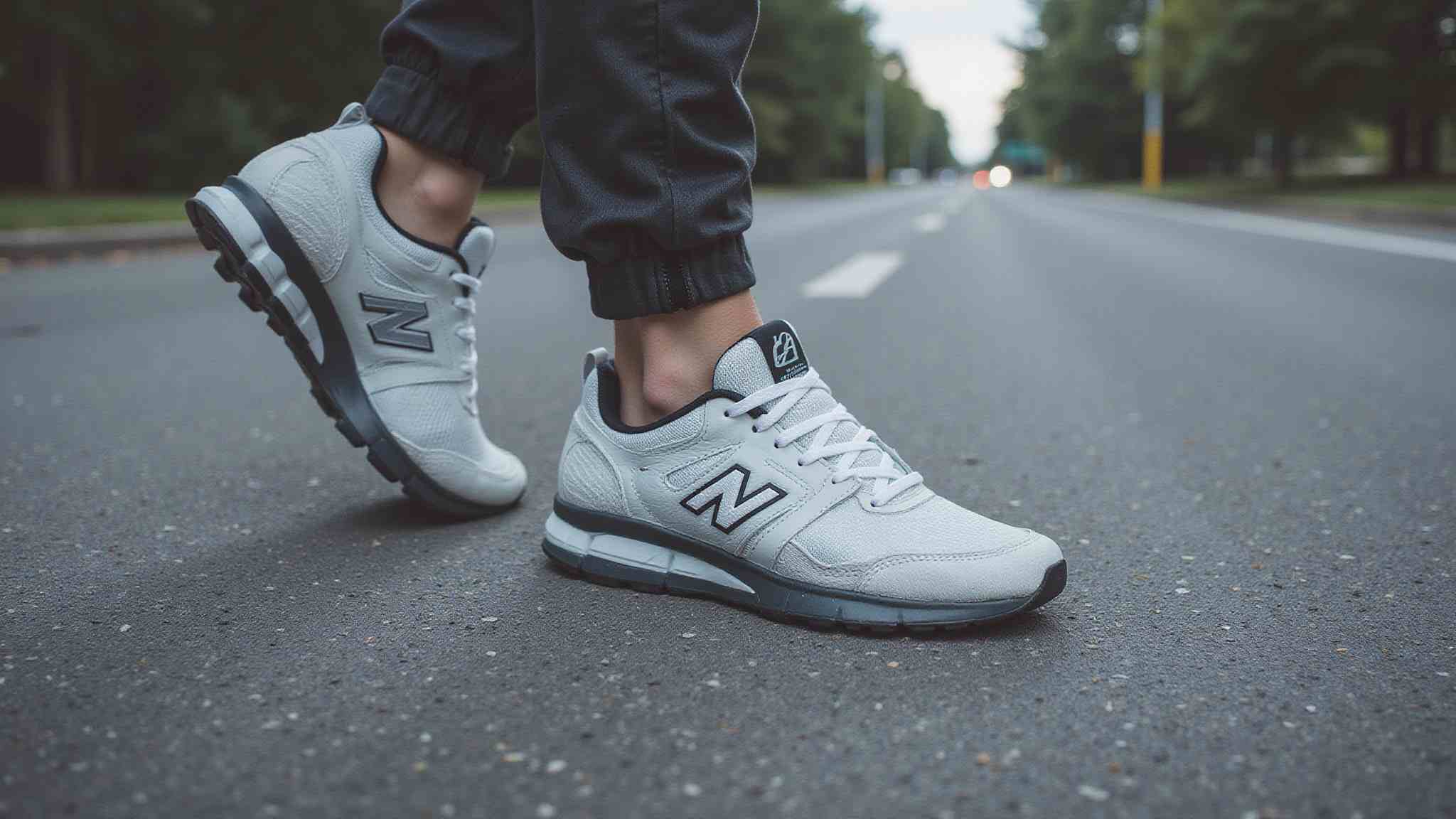
Most adults take about 11,000 steps to cover 5 miles, though the exact number depends on your stride. The standard benchmark of roughly 2,252 steps per mile puts you at approximately 11,260 steps. That figure assumes a moderate walking pace near 3 mph, which most step-to-distance calculators use as their default.
The steps in 5 miles can range from about 10,000 to 12,500, depending on your height and stride length. Shorter strides push your count higher, while longer strides reduce it. At an average pace, 11,000 to 11,260 steps is a reliable, evidence-based estimate for most adults.
Why the answer depends on stride length and height
The same 5-mile distance produces different step counts because stride length scales directly with your height. Taller people cover more ground per step, so they log fewer steps across the same route. You can estimate your step length by multiplying your height by about 0.413, then dividing 63,360 inches per mile by that figure. This explains the measurable spread in 5 miles in steps: average-height women land near 11,640 steps, while average-height men come in around 11,056. Broader calculators widen that gap further, roughly 10,560 steps for men and 12,000 for women. Even a few inches of difference in stride shifts your total by hundreds of steps over five miles.
How to estimate your personal step count per mile

Estimate your personal step count per mile by measuring your stride length directly instead of relying on averages, which gives you the most accurate number. Walk 10 steps, measure the total distance in inches, then divide by 10 to find your step length. Next, divide 63,360 inches (one mile) by that figure to get your steps per mile.
If measuring isn’t practical, estimate your step length by multiplying your height in inches by 0.413. A 68-inch person gets roughly 28 inches, or about 2,263 steps per mile, close to the 2,252 average.
After you’ve locked in your steps-per-mile number, multiply by five. At 2,263 steps per mile, that’s about 11,315 steps for 5 miles. Recalculate whenever your pace shifts, since faster walking lengthens your stride and lowers the count.
How the numbers compare by height and pace
Height and pace shift your total quite a bit. Your stride length scales with height, and your pace changes stride even further. Average-height women log more steps than men because shorter strides mean more repetitions per mile. Faster movement lengthens each stride, cutting your count substantially.
| Variable | Condition | Steps for 5 Miles |
|---|---|---|
| Height | Average woman | 11,640 |
| Height | Average man | 11,056 |
| Pace | Moderate (3 mph) | 11,260 |
| Pace | Brisk (4 mph) | 9,675 |
| Pace | Running (6 mph) | 8,360 |
Notice the spread: pace shifts your total by nearly 3,000 steps, while height accounts for roughly 600. If you’re tall and moving fast, you’ll finish 5 miles thousands of steps below the 11,000 baseline.
How many calories 5 miles of walking burns

Walking 5 miles typically burns 300, 500 calories, but your specific total scales with mass and intensity. What you burn depends on your body weight and pace, not your stride count. A heavier body moving the same distance expends more energy, and a faster pace elevates your metabolic demand per mile.
Your body weight and pace drive the calorie burn, distance matters, but mass and intensity determine your true energy cost.
Here’s roughly what you’d burn across common weight ranges at a moderate pace:
- 125 lbs: about 300 calories
- 155 lbs: about 370 calories
- 185 lbs: about 440 calories
- 215 lbs: about 510 calories
Push your pace toward 4 mph and you’ll add roughly 10, 15% to these figures. For precise tracking, multiply your weight by distance and your pace-adjusted MET value.
How long 5 miles takes at different speeds
Five miles takes about 100 minutes, or roughly 1 hour and 40 minutes, at a moderate walking speed of 3 mph. Your total time depends directly on your pace. Pick up the pace to a brisk 4 mph, and you’ll finish in about 75 minutes. If you’re running at 6 mph, you’ll complete the distance in around 50 minutes.
The math is straightforward: divide 5 miles by your speed in miles per hour, then multiply by 60 to get minutes. Faster speeds also mean longer strides, which is why running 5 miles takes fewer steps, roughly 8,360, than walking it at 11,260 steps. Your pace shapes both your time and your total step count.
How Steppa helps you turn those miles into cash
Steppa turns your 5-mile walk into real earnings by converting those roughly 11,260 steps into cash. The app syncs directly with your phone or wearable, logs every verified step, and converts your distance into redeemable rewards. Instead of letting those 11,260 steps vanish into your daily total, you monetize each mile with measurable value.
- Track: Steppa records all 11,260 steps from your 5-mile route with sensor-level accuracy.
- Verify: Built-in fraud detection confirms genuine movement, not shaken devices.
- Convert: Each validated step maps to a fixed payout rate you control.
- Cash out: Withdraw earnings once you hit your threshold.
You walk the same 5 miles. Now you profit from every tracked step.
Turn 5 Miles Into a Step Challenge
Five miles can mean a different number of steps for every walker because stride length, pace, and terrain all matter. PlaySteppa lets you turn your daily step target into a challenge, track your progress, and stay accountable along the way.
Download Steppa and put your next walking goal to work.
Frequently Asked Questions
Do Fitness Trackers Accurately Count Steps for 5 Miles?
Fitness trackers generally provide a useful estimate of your steps, but they are not perfectly accurate. Accuracy can vary based on the device, where you wear it, walking speed, arm movement, and the activity itself. Your actual step count for 5 miles can therefore differ from an estimated average. For consistent tracking, use the same device throughout your challenge and make sure it is properly configured.
Does Walking on a Treadmill Change My Step Count?
Walking 5 miles on a treadmill does not automatically produce a different number of steps than walking 5 miles outdoors. Your step count mainly depends on your stride length and walking pattern. However, changes in speed, incline, or how you naturally walk on a treadmill can affect your stride and therefore the number of steps recorded. The exact count will vary from person to person.
Are Steps Different When Walking Uphill Versus Flat Ground?
They can be. Walking uphill often changes your stride length and cadence, which can affect how many steps you take over a given distance. A steep incline may cause you to shorten your stride and take more steps to cover the same distance. Your pace, grade, fitness level, and walking technique all influence the final count, so there is no fixed number of steps for 5 miles on every type of terrain.
Does Age Affect How Many Steps 5 Miles Takes?
Age alone does not determine how many steps you need to walk 5 miles. Step count is more directly influenced by stride length, height, walking speed, mobility, and individual gait. Some older adults may take more steps over the same distance because of a shorter stride, but that is not true for everyone. Measuring your own average stride provides a more useful estimate.
Can I Count 5 Miles of Steps Without a Device?
Yes. You can estimate your steps by measuring your average stride length and using the distance you walked. Walk a known distance, count your steps, and calculate your average steps per mile. Multiply that number by five to estimate the steps needed for 5 miles. Because stride length varies between people, your personal measurement will be more useful than relying on a single average.